
In response to a boom in climate-related disasters and the rise of renewable energy, the US grid adds Battery Storage equal to 20 Nuclear Reactors. In recent years, the government has dramatically increased the installation of huge utility-scale batteries, which are now required to ensure a consistent power supply. According to the United States Energy Information Administration, more than 20 gigawatts (GW) of battery capacity have been added to the electric grid, with an impressive 5 GW deployed in the first seven months of this year alone. These batteries, which can power the equivalent of 20 nuclear reactors, have become critical in keeping the grid stable as it increasingly relies on intermittent energy sources such as solar and wind.
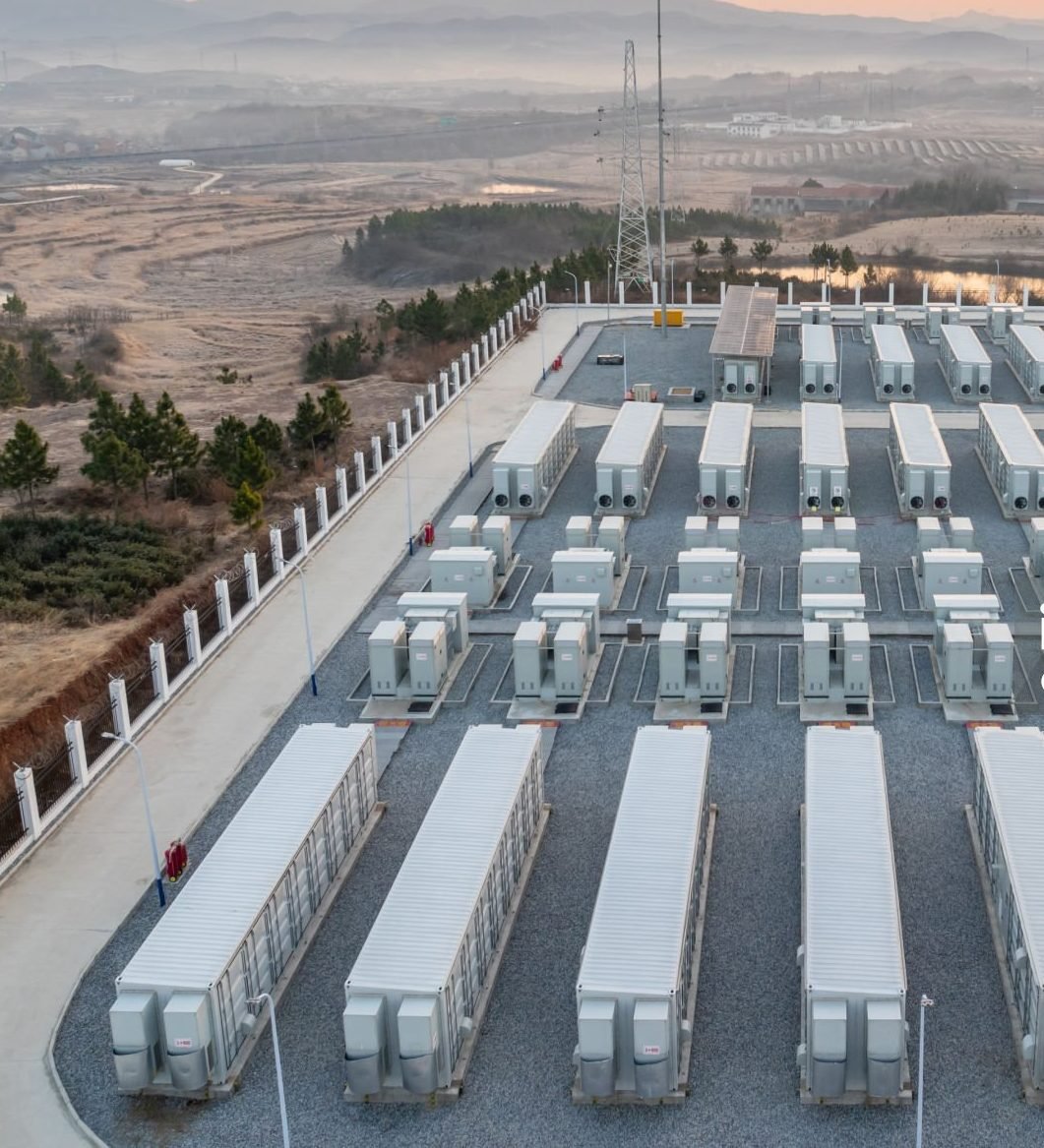
California and Texas are at the forefront of this transformation, with record quantities of battery-discharged power flowing into their networks. These two states, which have significantly spent on renewable energy, rely on colossal battery storage to handle energy production swings. In California, for example, the availability of battery-stored energy avoided blackouts during peak summer demand, which had previously led to electricity rationing during heatwaves caused by wildfires. According to Patti Poppe, CEO of PG&E, California’s largest utility, the increase in battery capacity has proven beneficial: “We can leverage that stored energy and dispatch it when we need it.”
Also Read: Living In A Pollution-Free Environment Is A Fundamental Right: Supreme Court
The Function of Battery Storage in Ensuring Grid Reliability
US grid adds Battery Storage equal to 20 Nuclear Reactors, and battery storage has risen at an unprecedented rate, according to John Moura, director of reliability assessment at the North American Electric Reliability Corporation, who describes it as a disruptive shift in how power is produced, distributed, and used. “It’s still a technology we’re getting used to because the system wasn’t built for it, but from a reliability standpoint, it represents a fantastic opportunity. This fundamentally alters the way power is generated, distributed, and used.” Moura emphasised that storage acts as a time machine, delivering information when we need it.
Battery storage is crucial in balancing the variability inherent in renewable energy sources. Clean energy, such as wind and solar, is critical to lowering global warming emissions but is vulnerable to natural variations. When wind speeds decline or sunshine is insufficient, the electrical grid might experience what Germans call “Dunkelflaute,” or a “dark lull.” In such instances, battery storage serves as a buffer, filling energy output gaps when renewables are insufficient. However, the current battery storage capacity is limited to a few hours. The United States’ transmission infrastructure will require considerable changes to efficiently transport renewable energy across regions to establish a truly sustainable grid.
Also Read: Urban Green Spaces Crucial In Reducing Heat-Related Deaths: New Study
Future Prospects and Challenges of Battery Storage
As the government accelerates its energy transformation, battery storage is expected to play an important role. The International Energy Agency (IEA) predicts that by 2050, batteries will account for around 40% of worldwide short-term electricity flexibility. This makes battery storage an important asset in transitioning to a low-carbon grid, where it will boost renewable energy by compensating for generation irregularities. However, extensive implementation will require successful regulatory reform to streamline infrastructure investments, particularly transmission lines. Environmental groups are concerned that licensing reforms will favour fossil fuel companies, creating a problematic political atmosphere around the transition to a sustainable energy infrastructure.
Despite the hurdles, the expansion of battery storage demonstrates the United States’ commitment to energy resilience and the critical need for ongoing action. Recognising the degree of transformation required, Moura noted, “There are a lot of changes happening, but monstrous action is still needed if we are going to make this energy transition.” As the country evolves towards a cleaner grid, batteries will become an increasingly important asset in ensuring a durable and adaptive energy infrastructure.
Also Read: Mining Is Destroying Forests To Meet Rising Demand For Metals And Minerals: Report

0 Comments