
Most people believe that not having enough clean power (solar, wind, etc.) is the biggest obstacle to moving to renewable energy. However, the “DW Planet A” movie makes the case that humans frequently make mistakes in how we calculate energy, particularly “primary energy,” and how much of it is truly squandered. It implies that the switch to renewable energy is far more doable than most people think if we reevaluate how much energy we actually need (by reducing waste, increasing efficiency, and altering how we measure). It’s critical to comprehend the difference between what is utilized and what could be used more effectively. This misunderstanding is at the core of what we get wrong about energy.
What is “Primary Energy,” and Why Does it Distort Our Perception?
Understanding how energy is measured and how much of it is never “useful” in its final form is necessary before we can make changes to energy systems. This is one of the most prominent examples of what we get wrong about energy.
Here are the essentials:
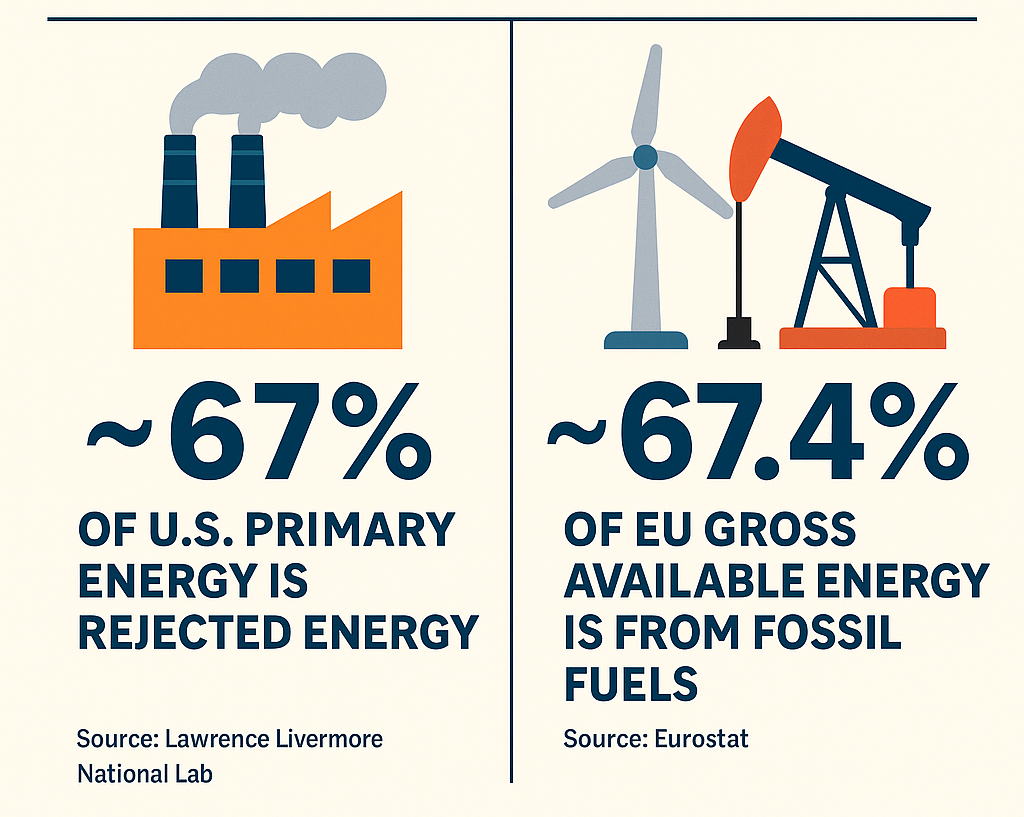
- Definition: The complete energy in its unprocessed state (coal, oil, natural gas, nuclear, sunshine) before any conversion losses is known as primary energy. It accounts for losses in generation, transmission, and distribution, and covers everything utilized for transportation, heating, and electricity.
- Conversion losses: When burning fossil fuels or nuclear energy to produce steam, boil water, etc., a significant amount of energy is wasted due to heat, friction, and inefficiencies. For instance, only around 30 to 40 percent of the energy input by a coal-fired power plant may be converted into electricity; the remainder is wasted.
- Misleading comparisons: People frequently refer to primary energy when they state that “80% of our energy comes from fossil fuels.” However, the real concept energy we need to replace (direct heating, electricity, etc.) may be far less when losses and conversions are taken into consideration. This implies that if we also cut waste, the challenge’s scope is smaller than it appears.
Therefore, the significant losses along the way are counted by primary energy. The magnitude of required renewable output is more intimidating than it might be in a more efficient system because we often underestimate the amount of energy lost.
Also Read: Is Earth’s Core Energy The Key To Meeting Global Energy Needs?
How Much Energy Do We Waste, and What Would Reducing Waste Do?

Cutting waste alters our actual energy requirements, so it’s not only a bonus. Let’s examine the waste and potential places of leverage. This is another central part of what we get wrong about energy.
Here are some key points:
- Major inefficiencies occur at multiple stages: Significant inefficiencies arise at several levels, including inefficient fossil fuel combustion, heat loss during the production of electricity, inadequate building insulation, and inefficient transportation (combustion engines versus more efficient options).
- Potential improvements: Potential enhancements include smart grids, more efficient building design and retrofits, electrification (heat pumps, electric cars), improved industrial processes, and more energy-saving appliances and lights (LEDs).
- Impact of waste reduction: Reducing waste can significantly lower the demand side. For instance, the amount of renewable energy needed to replace fossil fuels would decrease if buildings and transportation were more efficient. Less money would be required for new infrastructure, and the shift would happen more quickly.
- Systemic and behavioral changes: Regulation, improved energy pricing, and the reduction of wasteful energy consumption (such as idle power and logistical optimization) can all be beneficial.
Also Read: Nuclear Reactors And Climate Change: Can They Really Save Us?
With These Insights, What Practical Steps Can Policymakers, Industries, and Individuals Take?
The energy transition roadmap becomes easier to handle if the energy misunderstanding is dispelled. In fact, tackling what we get wrong about energy can unlock faster solutions. Action-oriented steps include the following:
- Shift policies toward efficiency: Governments should give more weight to waste-reduction measures, including mandates for efficient transportation, incentives for retrofits, and tighter efficiency requirements.
- Count energy properly in reporting and targets: To more accurately estimate actual usage and necessary transition, use “final energy” (energy in forms that are utilized) instead of overcounting basic energy.
- Promote clean technologies that reduce losses: Encourage the use of clean technologies that lower losses, such as LED lighting, heat pumps, effective electric motors, improved insulation, and productive industrial processes.
- Encourage demand reduction and smart usage: Price electricity according to usage, reduce idle use, and streamline supply chains and logistics to minimize fuel and energy waste.
- Invest in infrastructure that supports lower waste: Invest in waste-reducing infrastructure, such as local energy generation, transmission, storage, and grid upgrades, to cut down on energy travel losses.
| Comparing Energy Metrics & Losses | |||
| Metric | Rough Definition | Why It Matters / Typical Losses | Effect if Reduced |
| Primary Energy | Total input energy from all sources (coal, oil, gas, nuclear, solar, etc.) before any conversion | High losses in conversion (power plants, refineries), transmission losses, give an inflated baseline of what needs to be replaced | Lowering the baseline means fewer renewables needed; transition looks more possible |
| Final Energy / Useful Energy | Energy in forms used by end-users (electricity, direct heat, motion) | Much lower than primary energy due to conversion & system inefficiencies | More accurate measure of what needs to be decarbonized; focuses on where improvements are most effective |
| Conversion Efficiency | Ratio of output usable energy over input energy | In fossil fuel plants, often 30-40%; in transport, internal combustion engines lose much to heat, etc. | Improving this reduces primary energy demand significantly |
| System Losses (Transmission, Idle, Waste) | Energy lost in moving energy, or unused / wasted (e.g., standby power, waste heat) | Can be large – in many cases, millions of tons of CO₂ equivalent due to waste | Reducing these losses is a relatively cost-effective way to lower energy demand & emissions |
Also Read: Power-Sector Emissions In India Fell Again, Marking First Multi-Decade Reduction
FAQs on What We Get Wrong About Energy
Q1. Is switching to renewables still hard, given all this waste?
There are still several obstacles to overcome, including renewable energy production, storage, system improvements, political will, and expenses. However, the task becomes less intimidating when one realizes how much energy is squandered. The amount of renewable energy we need to scale up will be less if we cut waste and increase efficiency, which will make the shift more viable in shorter amounts of time.
Q2. Does improving efficiency always reduce emissions?
It’s not always automatic. Rebound effects, where individuals use more because it is less expensive, can result from efficiency gains (e.g., driving more because cars are more efficient). However, rebound effects can be reduced by wise policies (regulations, pricing, and efficiency requirements). All things considered, efficiency tends to lower emissions when combined with a clean energy source and sound administration.
Q3. What are examples of countries or regions doing this well?
Germany and Denmark, for example, have strict insulation regulations, adequate public transportation, and incentives for energy-efficient equipment. Other European nations also have robust efficiency measures in place. Some cities have smart building codes, heat pump adoption, and electrified transit. These instances demonstrate that efficiency and clean generation work together to produce faster results than attempting to increase renewable capacity alone.
Also Read: US Solar Power Surge: Developers Target Record 33GW Capacity In 2025

0 Comments