
NOAA’s 2024 Arctic Report Card highlights a significant change: Arctic tundra shifts from carbon sink to source due to frequent wildfires and 11 years of steadily rising temperatures, exacerbating climate change.
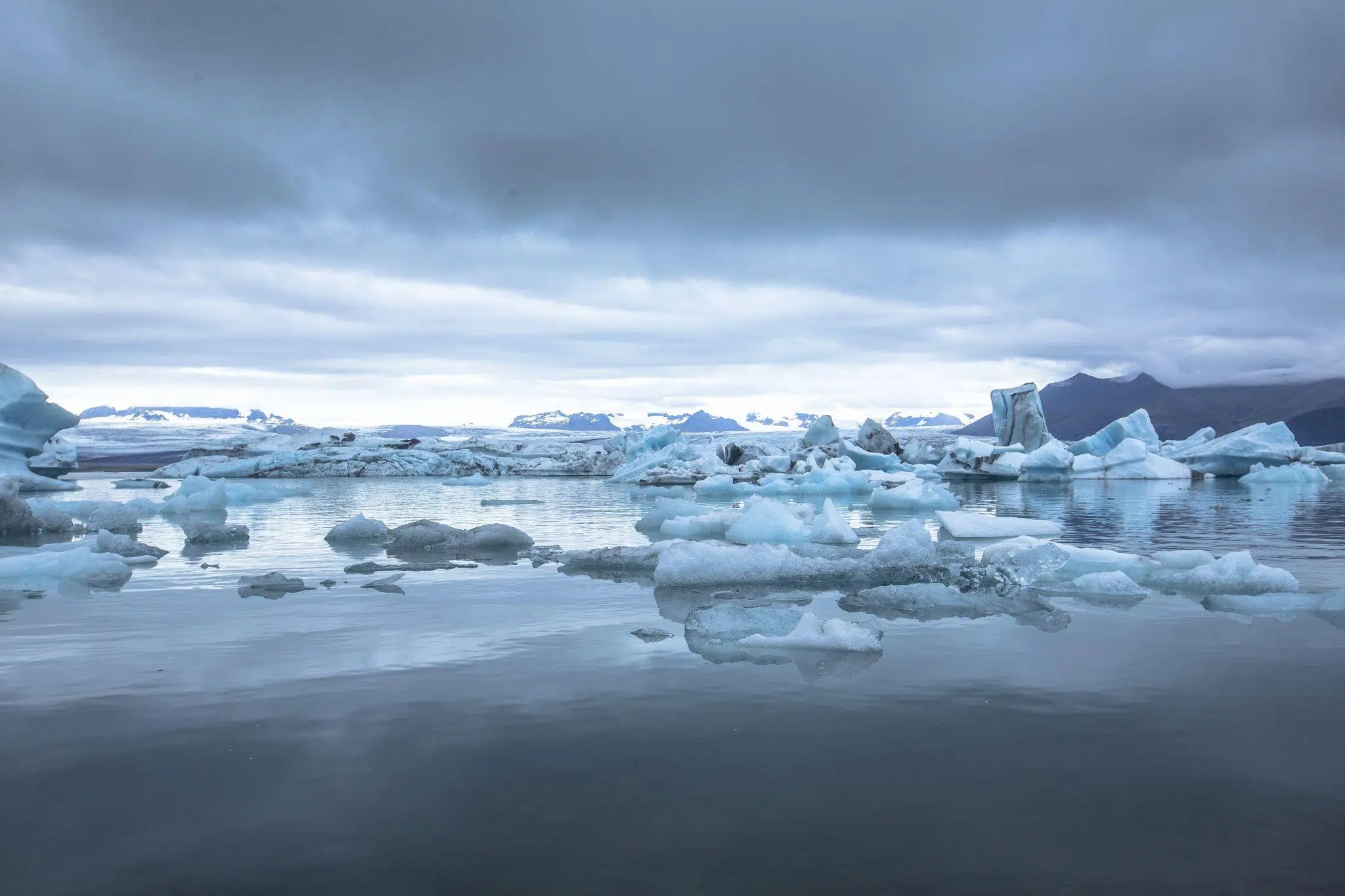
For thousands of years, carbon dioxide was deposited in frozen soil in the Arctic, a historically important carbon sink. However, more carbon is currently being released than absorbed due to warming and a rise in wildfires. “This is yet one more sign, predicted by scientists, of the consequences of inadequately reducing fossil fuel pollution,” said NOAA Administrator Rick Spinrad.
According to the study, this change is a component of a ‘new regime’ that is distinguished by persistently extreme observations in relation to historical baselines. The minimum sea ice extent in 2024, for example, was the sixth lowest on record; nonetheless, the last 18 years have had the lowest extent since 1979.
Key Indicators of Climate Impact
The report, which 97 scientists from 11 nations prepared, looked at three indicator areas and eight essential signs. Key findings include:
- Temperature and Precipitation: Autumn 2023 and summer 2024 were the second and third hottest seasons, respectively, with Arctic yearly surface temperatures being the second warmest since 1900. The wettest summer on record occurred in 2024.
- Permafrost and Wildfires: Increasing numbers of wildfires in permafrost areas of North America are causing methane and carbon emissions to increase, illustrating how the Arctic tundra shifts from carbon sink to source and further amplifying climate concerns.
- Wildlife Decline: Over the past two to three decades, migratory tundra caribou numbers have decreased by 65%. Elders from the local community point to changing or unsuitable habitats as a significant reason for the decline of large herds.
The majority of Arctic regions continue to see an increase in plankton blooms, which are essential to the marine food chain; however, certain places experienced lower-than-normal levels in 2024.
Also Read: Only 25% Of Global Tropical Rainforests In High Integrity For Wildlife, Study Reveals
Uncharted Territory for the Arctic
According to the analysis, these significant shifts in the air, sea, and land foreshadow long-term effects. More rain-on-snow occurrences result in ice terrain that makes it difficult for people and wildlife to move about. Over the next 25 to 75 years, it is anticipated that summer heat will worsen its effects on caribou herds and other animals.
Senior scientist and seasoned Arctic Report Card author Gerald (J.J.) Frost observed that numerous Arctic vital parameters are establishing or coming close to severe records every year. Rather than being caused by natural fluctuation in the climate system, these changes are driven by persistent long-term trends, forcing the Arctic into unknown territory with disastrous effects on ecosystems and indigenous cultures.
Also Read: Arctic Could Experience First Ice-Free Day In 3 Years As Sea Ice Melts At Alarming Rate

0 Comments