
As the world faces an escalating climate crisis, international institutions are ramping up efforts to finance critical environmental projects. In Fiscal 2024, the World Bank achieved a milestone, committing a record $42.6 billion to climate finance—a 10% increase from the previous year’s $38.6 billion. While the World Bank’s climate finance numbers represent significant progress, it falls short of the trillions of dollars needed annually to address the urgent global climate challenge.
The Significance of Climate Finance in 2024
This $42.6 billion in climate finance, allocated during the fiscal year ending June 30, is a notable achievement as it brings the World Bank closer to its goal of directing 45% of overall financing to climate projects. The additional $4 billion boost supports various climate-friendly initiatives, from renewable energy infrastructure to sustainable agricultural practices.
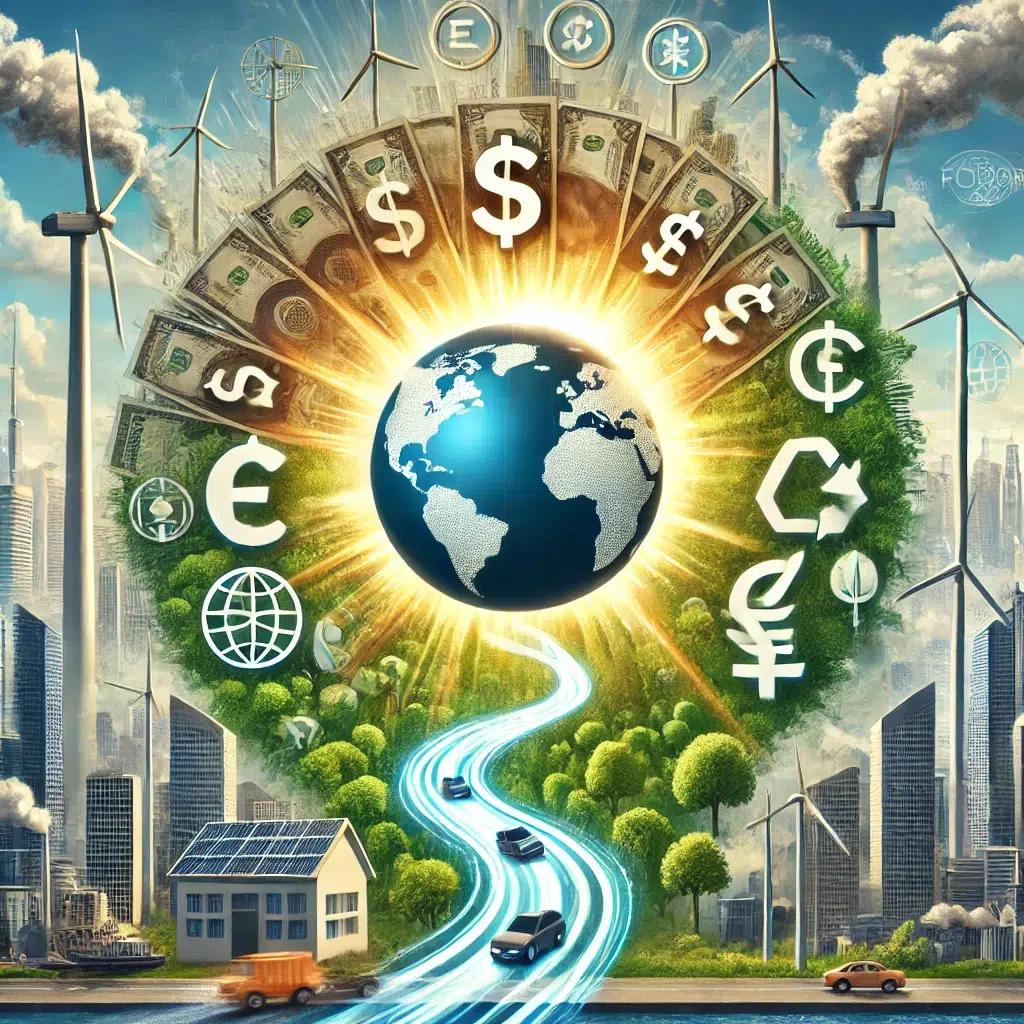
These programs not only promote environmental sustainability but also enhance economic resilience in regions most vulnerable to climate change. As the world faces the devastating effects of climate disruptions, such as rising sea levels, floods, and heatwaves, financial commitments like these are essential to building climate resilience, particularly in low-income and developing countries.
A Broader Global Context: The True Scale of the Challenge
While the $42.6 billion committed in 2024 marks a step in the right direction, it is crucial to understand the broader financial challenge. According to the International Energy Agency (IEA), nearly $4 trillion in annual clean energy investments will be needed by 2030 to meet global climate goals. Similarly, the UNFCCC estimates that the developing world will need up to $2.5 trillion per year to transition to a green economy and effectively address the impacts of climate change.
The World Bank’s climate finance represents a fraction of what is required. This highlights the need for international cooperation and the involvement of private capital to fill the funding gap.
Also Read: First Abu Dhabi Bank Pledges AED500 Billion In Green Finance By 2030
Major Projects Funded by Climate Finance
The World Bank’s climate financing is not just a matter of numbers—it translates into tangible projects across the globe. From the cyclone shelters in Bangladesh to the development of electric bus rapid transit systems in Cairo, Egypt, and Dakar, Senegal, these projects showcase the broad range of interventions needed to tackle climate change.
For example, the new electric bus rapid transit system in Dakar, Senegal, financed through World Bank loans, is expected to reduce urban carbon emissions by 25% over the next decade, providing cleaner public transportation for over 1 million residents. Similarly, the cyclone shelters in Bangladesh are designed to protect vulnerable communities from the increasing frequency and severity of tropical storms fueled by climate change.
These initiatives illustrate how climate financing can deliver both environmental benefits and socio-economic gains, especially in regions most susceptible to climate impacts.
Ajay Banga’s Vision: Expanding the World Bank’s Capacity
Under the leadership of Ajay Banga, the World Bank has not only expanded its financial commitments but also sought to leverage its balance sheet to increase its lending capacity. Banga’s administration has taken steps to squeeze out an additional $10 billion to $12 billion annually over the next decade. These funds will be directed toward combating climate change, pandemics, and other global crises.
Banga’s strategy reflects the Bank’s recognition that it must go beyond its traditional anti-poverty mission and play a leading role in the global climate fight. By focusing on climate adaptation and mitigation, the World Bank is positioning itself as a key player in the international response to climate change.
Also Read: Global Clean Energy Investments To Reach $2 Billion In 2024: EIA
The Funding Gap: What’s at Stake
Despite these efforts, the gap between what is currently being invested and what is required remains enormous. The World Bank acknowledges that trillions more dollars will be needed to fund the clean energy transition and climate adaptation projects in middle-income and low-income countries.
If this funding gap is not addressed, the consequences could be catastrophic. The transition to cleaner energy sources could stall, exacerbating the effects of climate change. Developing nations, which are disproportionately affected by climate disruptions, will continue to struggle with rising sea levels, prolonged droughts, and more frequent extreme weather events.
According to the International Bank for Reconstruction and Development (IBRD), the World Bank’s main lending arm for middle-income countries, $31 billion of the 2024 climate finance went toward investments in climate adaptation and resilience. Another $10.3 billion was committed to the International Development Association (IDA), which provides funding to the world’s poorest countries.
In addition, the International Finance Corporation (IFC), the World Bank’s private sector lending arm, contributed $9.1 billion in long-term climate finance. The Multilateral Investment Guarantee Agency (MIGA), which offers political risk insurance and credit enhancement, provided $2.5 billion in climate financing.
While these figures are significant, they represent only a fraction of the resources required to meet global climate objectives.
Also Read: Climate Change Costs Africa Up To 5% Of GDP: UN Climate Chief
A Step in the Right Direction, but More Work Ahead
The $42.6 billion in climate finance committed by the World Bank in Fiscal 2024 is a testament to the institution’s growing role in the fight against climate change. However, as the climate crisis intensifies, the need for collaborative action is becoming increasingly urgent. The World Bank’s record climate financing in 2024 is an important step, but it is clear that international financial institutions, governments, and the private sector must work together to address the funding shortfall.
Moving forward, the World Bank aims to leverage its resources to attract other organizations into climate finance projects. By developing partnerships and raising private financing, the Bank hopes to amplify the impact of its funding. Encouraging private-sector involvement will be crucial, as public funds alone will not be enough to meet the escalating needs.
Ajay Banga has already signalled his commitment to climate action, stating, “The fight against climate change will require bold financial solutions, and while we’ve made progress, there is a long way to go before we meet the funding needs for the clean energy transition.”
Also Read: Why India Needs a Climate Insurance Market?

0 Comments