
Australian government spends four times more on fossil fuels than renewable energy, according to a new report that raises concerns about Australia’s clean energy transition. The Energy Crossroads report by WWF-Australia estimates that federal and state governments provide approximately AU$20.1 billion annually in financial support to the fossil fuel industry, compared with just AU$4.6 billion for renewable energy. The findings come as countries across the Indo-Pacific rapidly expand investments in clean energy technologies to strengthen energy security and reduce emissions.
WWF warns that Australia’s continued backing of fossil fuels risks undermining investor confidence, weakening its credibility as a renewable energy leader, and delaying its ambition to become a global clean energy powerhouse.
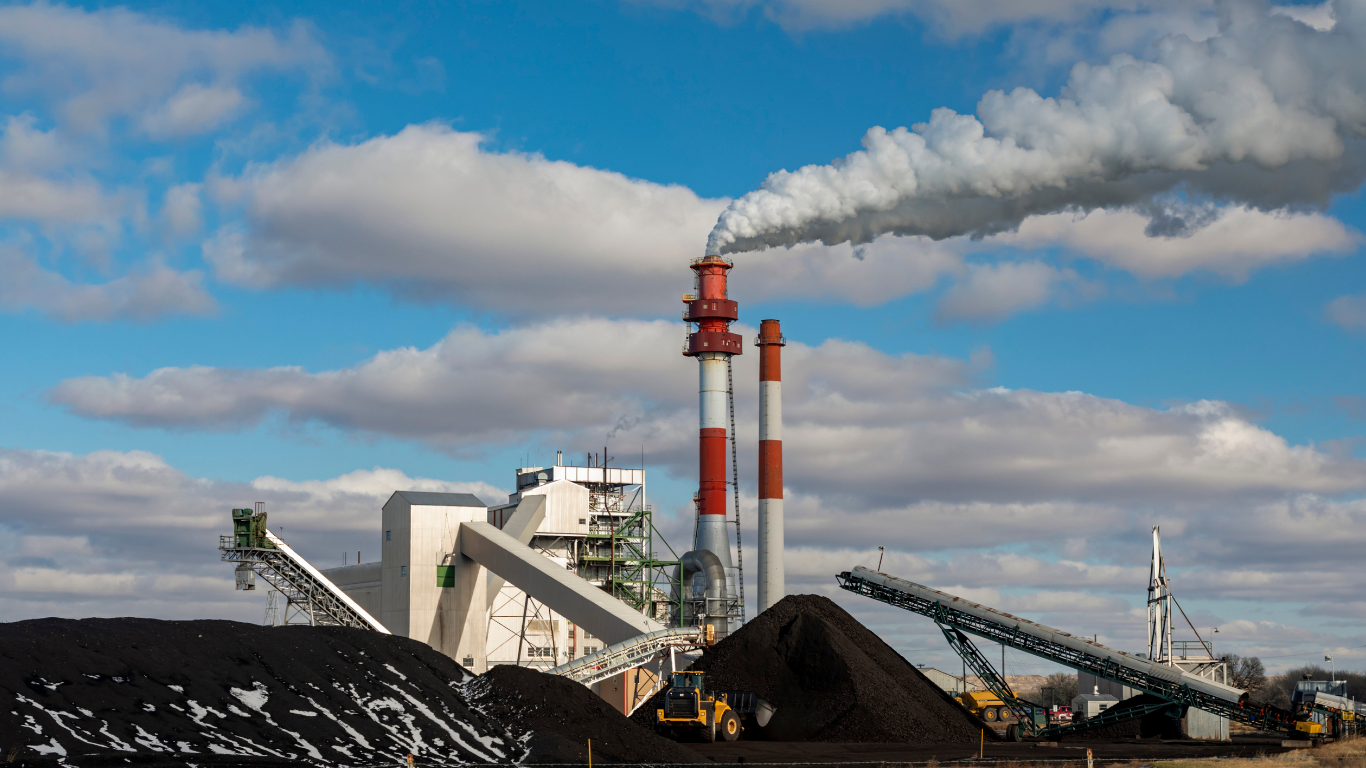
Fossil Fuel Support Overshadows Renewable Investment
The report argues that Australia is pursuing two conflicting energy strategies simultaneously.
While promoting itself as a future exporter of green hydrogen, renewable electricity, and other clean technologies, the country continues to expand fossil fuel production through substantial government support.
According to WWF, this “dual energy export strategy” creates uncertainty for investors because green industries and fossil fuel industries compete for the same infrastructure, financing, and policy attention.
Also Read: Department of Energy Highlights Solar Power’s Daytime Advantage
Export Markets Are Rapidly Changing
The report highlights that Australia’s traditional fossil fuel export markets are becoming increasingly uncertain.
- Analysis by sustainability consultancy Cyan Ventures estimates Australia could lose up to AU$70 billion in fossil fuel export value by 2035 as global demand shifts towards cleaner energy sources.
- The study also notes that both Australia’s LNG exports and Asia’s LNG imports declined in 2025, signalling changing market dynamics.
- Demand for thermal coal and metallurgical coal across key markets including China, Japan, and India could begin falling within the next five years and decline by as much as 69% by 2050, according to the report.
Also Read: Meta Ends Clean Energy Pact Amid Gas-Powered Data Center Expansion
WWF Calls for a Faster Energy Transition
As the Australian government spends four times more on fossil fuels than renewable energy, the organisation says Australia risks falling behind competitors that are investing aggressively in clean technologies.
- WWF-Australia’s Rob Law said continuing to expand fossil fuel production while promoting renewable exports sends mixed signals to global investors and trading partners.
- Camille Malbrain, WWF-Australia’s Renewable Exports Manager, warned that Australia could lose competitiveness in emerging green industries if policy continues to favour fossil fuels over renewable energy development.
Also Read: Michigan Politicians Focus on Energy Prices as Election Approaches
Government Defends Managed Transition
The report recommends that Australia adopt a long-term renewable energy security strategy that gradually phases down fossil fuels while accelerating renewable electricity, electrification, and green exports.
Federal Energy Minister Chris Bowen defended the government’s approach, saying Australia’s energy transformation must protect workers, regional economies, and long-term prosperity while reducing emissions.
The government maintains that its 2035 emissions reduction target aims to cut national emissions by half again while supporting economic growth and creating future jobs through its “Future Made in Australia” agenda.
Key Findings from the WWF Report
Category |
Details |
|---|---|
Fossil Fuel Government Support |
AU$20.1 billion per year |
Renewable Energy Support |
AU$4.6 billion per year |
Funding Ratio |
Fossil fuels receive 4 times more support |
Potential Fossil Fuel Export Loss by 2035 |
Up to AU$70 billion |
Coal Demand Outlook |
Could decline by 69% by 2050 |
Key Markets |
China, Japan, India |
Main Recommendation |
Gradually phase out fossil fuels and accelerate renewable energy investment |
Australia possesses some of the world’s best solar and wind resources, giving it significant potential to lead the global clean energy economy. However, the WWF report concludes that achieving this ambition will require clearer policy direction, reduced dependence on fossil fuel subsidies, and stronger investment in renewable energy infrastructure. As global markets increasingly favour low-carbon energy, decisions made today could determine Australia’s competitiveness in the decades ahead.
Also Read: New England Powers Through Record Heat Thanks to Offshore Wind Energy

0 Comments