
Brazil’s agriculture ministry has recently reported the detection of three cases of Newcastle disease in poultry, marking the first occurrence since 2006. These cases were identified in Rio Grande do Sul, Brazil’s southernmost state, in a commercial poultry farm situated in the municipality of Anta Gorda. The disease primarily affects birds and can lead to severe respiratory problems and other symptoms, causing significant concern within the poultry industry.
Newcastle disease is a highly contagious infectious disease that affects both domestic and wild birds. The infection can result in a variety of symptoms, including respiratory distress, digestive issues, and neurological disorders. The intensity of the disease can vary, but it often leads to high mortality rates in affected flocks, making it a significant threat to the poultry industry. The World Organization for Animal Health mandates that all occurrences of Newcastle disease be reported to monitor and control its spread effectively.
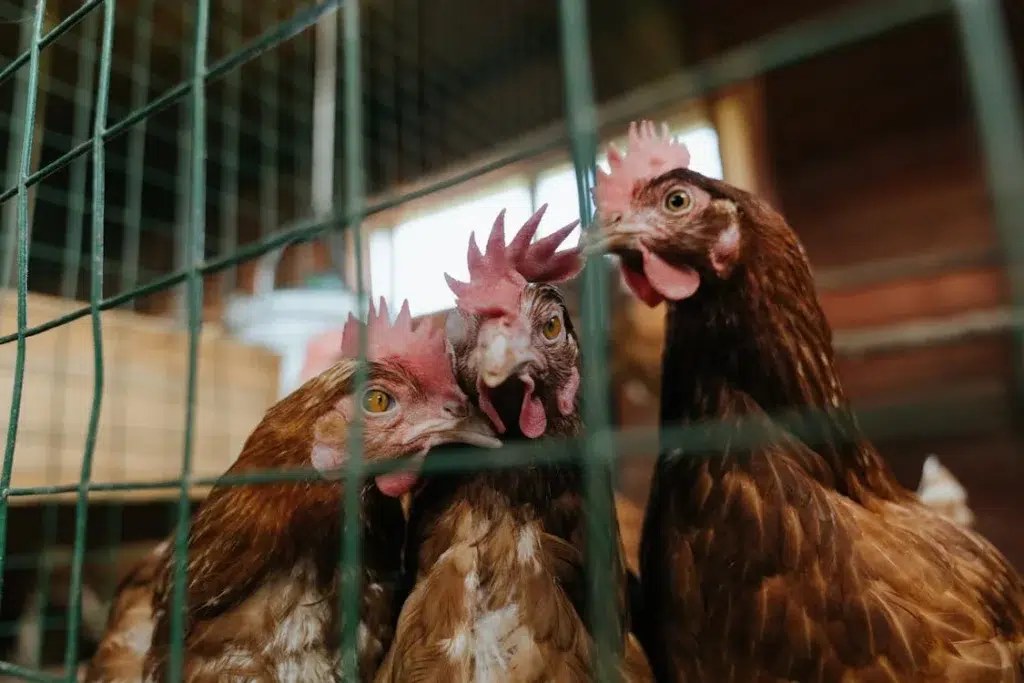
Containment Measures Implemented
In response to the confirmed cases, Brazilian authorities and local agricultural organizations have swiftly implemented stringent containment protocols. The Brazilian Association of Animal Protein (ABPA) has been actively involved in coordinating efforts to manage the outbreak. The affected areas are now under close surveillance, with quarantine measures and movement restrictions in place for poultry within these zones. These steps are critical to preventing the disease from spreading to other regions and impacting Brazil’s poultry industry, which is a major contributor to the country’s economy.
The government’s proactive approach includes enhanced biosecurity measures at poultry farms, increased monitoring and testing of flocks, and strict enforcement of quarantine protocols. These actions aim to isolate the virus and limit its transmission. Additionally, public awareness campaigns are being organised to inform poultry farmers and the general public about the symptoms of Newcastle disease and the importance of reporting any suspicious cases to the authorities immediately.
Historical Context and Future Precautions of Newcastle Disease
The last confirmed cases of Newcastle disease in Brazil were reported in 2006, affecting subsistence birds in the states of Amazonas, Mato Grosso, and Rio Grande do Sul. Since then, Brazil has maintained a vigilant stance on monitoring and controlling the disease to prevent future outbreaks. The recurrence of Newcastle disease after nearly two decades underscores the need for continuous vigilance and compliance with international guidelines set by the World Organization for Animal Health.
The detection of Newcastle disease has significant implications for Brazil’s poultry industry, which is one of the largest in the world. Brazil is a leading exporter of poultry products, supplying a major portion of the global market. Any disruption in production due to disease outbreaks can have far-reaching repercussions, affecting not only the local economy but also international trade.
To mitigate the potential impact, Brazilian poultry producers are urged to adhere strictly to biosecurity protocols and keep up high standards of hygiene and sanitation at their facilities. Overall, the government is also working closely with industry stakeholders to ensure that preventive measures are in place and that any new cases are detected and addressed promptly.
Also Read: Brain Eating Amoeba Threat In India: Causes, Symptoms And Remedies

0 Comments