
Cap-and-trade programs, also known as emission trading systems (ETS), are essential instruments in the fight against climate change worldwide. By limiting greenhouse gas emissions and enabling businesses to exchange allowances, these systems offer financial incentives for lowering emissions. On the other hand, precise monitoring, reporting, and verification (MRV) systems are critical to their performance. Innovations in technology have changed the game in this area by improving the efficiency, accuracy, and transparency of monitoring and reporting for emission trading. This article explores these developments, their uses, and how they affect emission trading schemes around the globe.
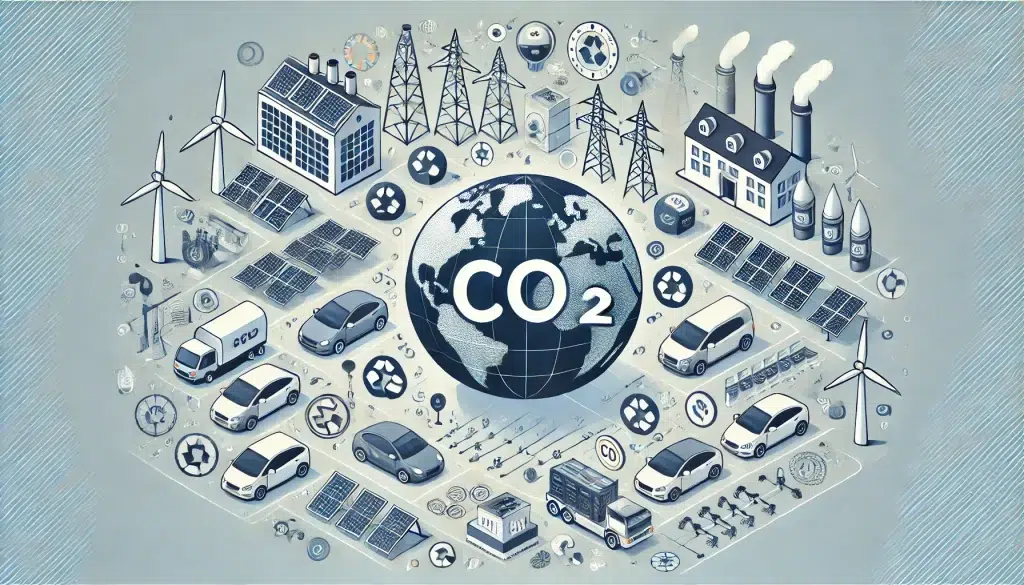
Monitoring and Reporting are Crucial in Emission Trading
Strong MRV frameworks are necessary for monitoring and reporting for emission trading to be credible and successful. Precise tracking and reporting stop fraud, build confidence among interested parties and guarantee adherence to environmental regulations. The integrity of the ETS and its environmental advantages may be compromised by underreporting or misreporting emissions caused by inefficient MRV systems.
Technological advancements have resolved many of these issues, producing tools and systems that offer accurate, verifiable, and real-time data. Let’s examine the major developments influencing MRV in emission trading as we advance.
Developments in Technologies for Emissions Monitoring
1. Monitoring Using Satellites
Because they provide an aerial perspective of the Earth’s atmosphere, satellites have completely changed how emissions are monitored. With their sophisticated sensors, these satellites can accurately measure and identify amounts of greenhouse gases. As an example:
- The Orbiting Carbon Observatory-2 (OCO-2) satellite, operated by NASA, tracks carbon dioxide levels worldwide and provides high-resolution data that can be used to identify emissions from particular areas.
- GHGSat is a private project that provides accurate data for regulatory and compliance needs. Its satellites are dedicated to measuring methane emissions from industrial sites.
- Satellite technology ensures accountability and transparency in the ETS by allowing stakeholders and regulators to cross-check reports from the ground.
2. Sensors for the Internet of Things (IoT)
Emissions monitoring has become more detailed thanks to IoT devices. These sensors, installed at industrial facilities, send data to centralized systems and continuously measure pollutants in real-time. Important advantages include:
- High Precision: IoT sensors’ ability to identify even the smallest changes in emissions ensures accurate reporting.
- Automation: IoT devices lower the possibility of human error and expedite compliance procedures by automating data gathering and reporting.
- Integration with AI: IoT sensors frequently collaborate with artificial intelligence (AI) systems to analyze data trends and anticipate possible regulatory violations.
For instance, to comply with ETS regulations, energy-intensive sectors such as steel and cement production are increasingly utilizing IoT-based monitoring.
3. Technologies for Remote Sensing
Drones and ground-based lidar systems are remote sensing tools that have shown promise in identifying and measuring emissions. These devices are especially helpful in industries like agriculture and oil and gas operations where emissions are scattered or difficult to quantify.
- Drones: Outfitted with sensors, drones may measure emissions over vast agricultural fields or locate gas leaks in pipelines.
- Lidar Systems: These systems provide extremely accurate data for MRV applications by mapping emissions in three dimensions using laser technology.
4. Blockchain Technology for Open Reporting
Blockchain technology is revolutionizing the recording and verification of emissions data. Because of its decentralized and impenetrable structure, reported data is reliable and readily available to all parties involved.
- Immutable Records: By generating a safe ledger of emissions data, blockchain guards against tampering or unwanted changes.
- Smart Contracts: Automated agreements can initiate activities based on confirmed emissions data, such as providing carbon credits.
- Improved Traceability: Blockchain makes tracking emissions from beginning to end possible, guaranteeing transparency along the whole value chain.
The increasing use of this technology is demonstrated by examples such as IBM’s blockchain solutions for sustainability and collaborations between blockchain companies and ETS operators.
5. Learning and Artificial Intelligence
The monitoring and reporting for emission trading are being improved by artificial intelligence (AI) and machine learning (ML). These technologies are capable of:
- Analyse Big Datasets: AI can process enormous volumes of emissions data to spot trends and abnormalities.
- Predict Emission Trends: Machine learning models assist regulators and businesses in making better plans by using historical data to predict future emissions.
- Optimise Operations: AI-driven technologies can recommend operational adjustments to cut emissions and meet ETS targets.
AI-powered platforms, for example, are being used to optimize industrial processes’ energy utilization, which obliquely lowers emissions and guarantees adherence to ETS limitations.
Also Read: Geoengineering Could Alter Global Climate: Should It?
Data Analytics’s Function in Monitoring and Reporting for Emission Trading
To convert unprocessed emissions data into useful insights, data analytics is essential. Contemporary MRV systems use advanced analytics to:
- Assure Accuracy: Cross-reference data from several sources (such as satellites and Internet of Things sensors) to find inconsistencies.
- Create Detailed Reports: Automated systems compile emissions data into standardized reports sent to regulatory agencies.
- Aid in Decision-Making: Real-time information from analytics dashboards assists stakeholders in making well-informed choices.
Cloud-based analytics platforms like Google and Microsoft easily interact with pollution monitoring equipment, making reporting more straightforward.
Adoption of Technological Innovations Presents Difficulties
Although there are many advantages to technology breakthroughs, there are drawbacks to their adoption:
- Cost: Small and medium-sized businesses (SMEs) may struggle to afford the high upfront costs associated with sophisticated monitoring hardware and software.
- Data Privacy: Guaranteeing the security and privacy of emissions data is crucial, especially when utilizing blockchain or cloud-based solutions.
- Technical Expertise: Technical expertise is necessary for the implementation and upkeep of complex systems, and these abilities may not always be easily accessible.
- Regulatory Harmonisation: Standardising MRV procedures across jurisdictions is still difficult, which makes it more difficult to incorporate new technologies into ETS frameworks.
Governments, businesses, and tech companies must work together to address these issues and develop scalable and affordable solutions.
Also Read: The Downsides Of A Massive Global Climate Conference
Upcoming Developments in Monitoring and Reporting for Emission Trading
The field of reporting and monitoring emissions is always changing. Among the major trends influencing the future are:
- AI and IoT Integration: Better integration will allow for autonomous, real-time monitoring and decision-making.
- Satellite Network Expansion: More satellites will be deployed, offering improved data resolution and worldwide coverage.
- Decentralized MRV Systems: Blockchain technology and other decentralized technologies will be used to democratize emissions reporting and lower dependency on centralized authority.
- Emphasis on Scope 3 Emissions: Cutting-edge technologies will foster comprehensive accountability by assisting businesses in measuring and disclosing indirect emissions from their supply chains.
Conclusion
Technological advancements are changing how emissions are tracked and reported in carbon trading systems. These developments—which range from blockchain and AI-driven analytics to satellite-based monitoring and Internet of Things sensors—are improving ETS’s accuracy, transparency, and credibility. Even while obstacles like money and technological know-how still exist, continued cooperation and creativity may be able to overcome them.
Robust and transparent MRV systems will be essential to meeting global emissions reduction targets as climate change continues to pose existential threats. By utilizing state-of-the-art technologies, stakeholders can guarantee the efficacy and integrity of emission trading systems, opening the door to a sustainable future.
Also Read: How Climate Change Is Driving Inflation And Raising Costs In The US?

0 Comments