
Key takeaways
- A new study finds grasses in the African savanna are growing faster due to rising CO2 levels.
- Increased grass growth could lead to larger wildfires and shift wildlife distributions.
- The research highlights the impact of fossil fuel emissions on ecosystems.
- Understanding these changes is crucial for managing future biodiversity and fire risks.
Grasses on the African savanna are outpacing their growth rates from a generation ago, fueled by rising levels of carbon dioxide (CO2) linked to fossil fuel emissions. This shift presents significant environmental challenges, including potential increases in wildfire frequency and changes in wildlife habitats.
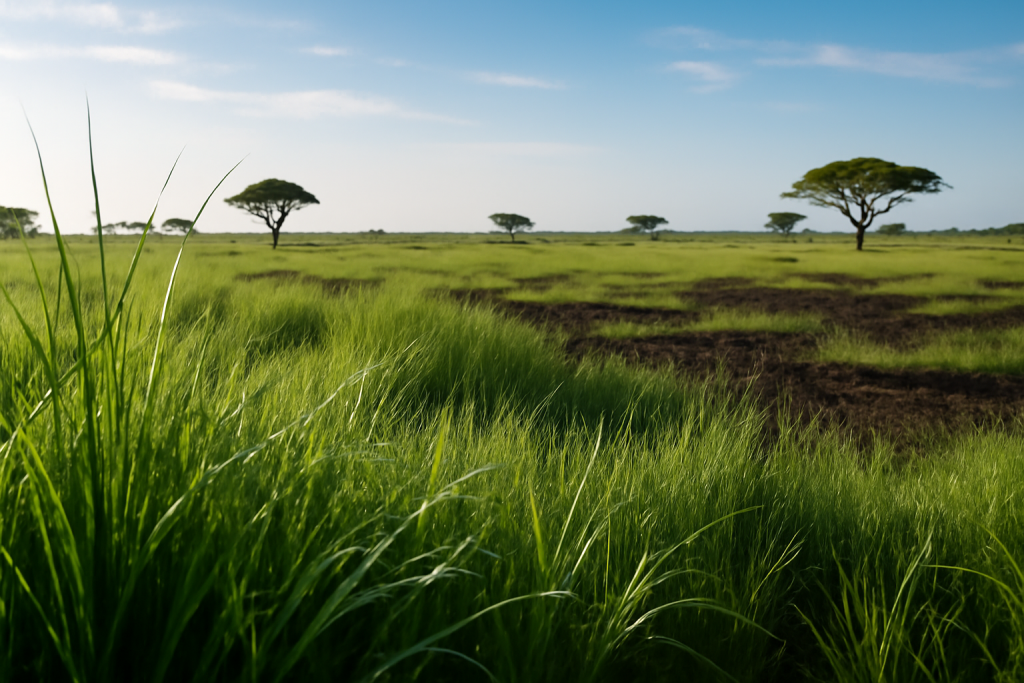
Understanding the Impact of CO2 on Grass Growth
The savanna, characterized by its unique ecosystem, has long been a subject of study due to its complex interplay between vegetation and climate. Recent findings from a study indicate that CO2 levels have risen substantially since the Industrial Revolution, which has accelerated grass growth across the region. Researchers suggest that this phenomenon could alter the balance of the savanna ecosystem, affecting both flora and fauna.
The study highlights the dual-edged nature of increased grass growth. While it may seem beneficial at first glance, the potential for larger, more intense wildfires poses a serious threat to both human and wildlife populations. Fires can devastate habitats and release more CO2 back into the atmosphere, further exacerbating climate change.
New Research Findings on Grass Growth
The research, as reported by e360.yale.edu, reveals that grasses are adapting to higher CO2 concentrations, resulting in faster growth rates than previously observed. In some areas, this acceleration is expected to double the biomass production of grasses, fundamentally changing the landscape of the African savanna. This growth comes with increased competition for resources among plant species, which could lead to shifts in the distribution of various wildlife as they adapt to changing food sources and habitats.
Broader Environmental Implications
This study underscores a broader trend in how climate change is reshaping ecosystems worldwide. The findings are particularly relevant for policymakers and conservationists, who must consider these changes when developing strategies for wildlife management and fire prevention. Increased grass growth can lead to a feedback loop where more frequent fires further contribute to CO2 emissions, complicating efforts to mitigate climate change.
Future Considerations and Monitoring
Monitoring these changes in grass growth and their ecological impacts will be crucial in the coming years. Researchers advocate for more comprehensive studies to understand how various species within the savanna are responding to these shifts. As climate change continues to evolve, understanding its effects on ecosystems will be vital for developing effective conservation strategies and policies.
Frequently asked questions
How does CO2 affect grass growth?
Increased CO2 levels promote faster grass growth by enhancing photosynthesis, allowing plants to produce more biomass.
What are the potential consequences of faster grass growth?
Faster grass growth can lead to more intense wildfires and alter wildlife distributions, impacting biodiversity.
Why is monitoring grass growth important?
Monitoring is essential for understanding ecological responses to climate change and developing effective management strategies.
What role does the savanna play in the global ecosystem?
The savanna serves as a critical habitat for diverse species and plays a significant role in carbon storage and climate regulation.

0 Comments