
On August 14, 2025, a devastating cloudburst struck the remote village of Chositi in Jammu and Kashmir’s Kishtwar district, triggering deadly flash floods and landslides. The disaster has claimed at least 33 lives, with reports of dozens missing and over 75 injured, many of whom are pilgrims on the Machail Mata Yatra route. Rescue operations are in full swing, involving multiple agencies, as the region grapples with the aftermath of this natural calamity during the monsoon season.
Key Facts and Developments at a Glance
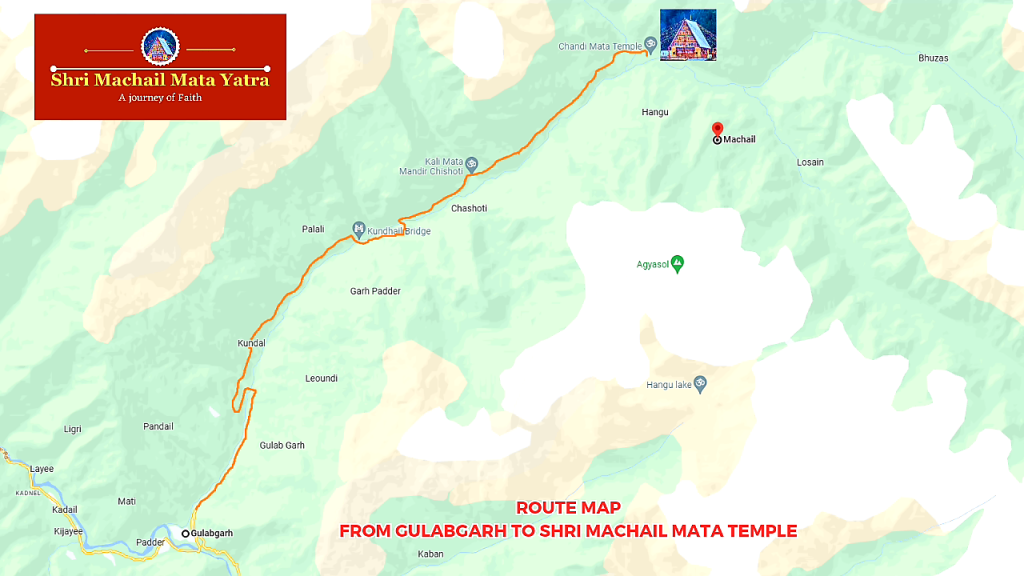
- Location and Timing: The cloudburst occurred in Chositi village, Kishtwar district, Jammu and Kashmir, on the morning of August 14, 2025, affecting the route to the Machail Mata pilgrimage site.
- Casualties: Death toll stands at 33, with some reports varying up to 40+; over 75 injured, including pilgrims and locals; several still missing.
- Impact on Infrastructure: Flash floods washed away roads, bridges, and a langar (community kitchen) shed; pilgrimage to Machail Mata suspended indefinitely.
- Rescue Efforts: 98 people rescued so far; Indian Air Force alerted for heli-evacuation; NDRF, SDRF, Army, and local police involved in operations.
- Weather Context: Heavy rainfall and thunderstorms forecasted by Meteorological Centre Srinagar, exacerbating the situation in the mountainous terrain.
- Official Responses: PM Narendra Modi monitoring the situation; Home Minister Amit Shah assures full support; Union Minister Jitendra Singh coordinates relief.
- Medical Aid: Injured treated at Atholi Sub-District Hospital (45 admitted), PHC Hamori (12), and GMC Kishtwar; some referred for advanced care.
- Broader Implications: Incident highlights vulnerability of Himalayan regions to cloudbursts during monsoon; state of emergency declared in affected areas.
Live Updates: In-Depth Analysis of the Disaster
The cloudburst in Kishtwar’s Chositi village unfolded rapidly on August 14, 2025, transforming a serene pilgrimage path into a scene of chaos and destruction. Cloudbursts, characterized by intense, localized rainfall often exceeding 100 mm per hour are common in the fragile Himalayan ecosystem during the monsoon months of July and August. This event struck the starting point of the Machail Mata Yatra, a popular annual pilgrimage attracting thousands to the remote Paddar Valley. The sudden deluge triggered flash floods that swept away temporary structures, including a langar shed, and caused landslides that buried parts of the route under debris.

Eyewitness accounts and initial reports describe how the floods caught pilgrims and locals off guard, with water levels rising within minutes. The death toll quickly rose to 33, with bodies recovered from the rubble and floodwaters, including two security personnel. Over 75 individuals sustained injuries, ranging from fractures to hypothermia, and were rushed to nearby medical facilities. The varying casualty figures across reports whereas some as high as 33, which reflect the challenges in accessing the remote, rugged terrain, where communication lines are disrupted and ongoing rains hamper search efforts.

This disaster underscores broader environmental concerns in Jammu and Kashmir, where climate change is intensifying extreme weather events. Deforestation, unplanned development along pilgrimage routes, and inadequate early warning systems have amplified vulnerabilities. Similar incidents, like past cloudbursts in the region, have repeatedly exposed gaps in disaster preparedness. The suspension of the Machail Mata Yatra, which draws devotees from across India, has not only halted religious activities but also impacted local economies dependent on tourism. As the toll potentially climbs, the focus shifts to long-term mitigation strategies, such as improved forecasting, afforestation, and resilient infrastructure.
Government and NDRF Response Efforts
The Indian government and disaster response agencies have mobilized swiftly to address the crisis. Prime Minister Narendra Modi is personally overseeing the situation, expressing solidarity and assuring all possible assistance, including financial aid from the Prime Minister’s National Relief Fund. Home Minister Amit Shah spoke with Jammu and Kashmir Lieutenant Governor Manoj Sinha and Chief Minister Omar Abdullah to coordinate efforts, pledging central support. Union Minister Jitendra Singh, representing the Kishtwar constituency, confirmed substantial casualties and activated heli-rescue operations.
My thoughts and prayers are with all those affected by the cloudburst and flooding in Kishtwar, Jammu and Kashmir. The situation is being monitored closely. Rescue and relief operations are underway. Every possible assistance will be provided to those in need.
— Narendra Modi (@narendramodi) August 14, 2025
I just spoke to the Union Home Minister @AmitShah Sb to brief him about the developing situation in Kishtwar region of Jammu. The news is grim & accurate, verified information from the area hit by the cloud burst is slow in arriving. All possible resources are being mobilised…
— Omar Abdullah (@OmarAbdullah) August 14, 2025
The National Disaster Response Force (NDRF) deployed two teams immediately, equipped for search and rescue in flood-affected areas. State Disaster Response Force (SDRF), Indian Army, and local police are conducting joint operations, having rescued 98 people so far despite challenging weather. The Indian Air Force has been alerted for aerial evacuations, particularly for critically injured victims in inaccessible spots. A state of emergency was declared, with the pilgrimage halted to prevent further risks. Medical teams are on-site, and hospitals like Atholi and GMC Kishtwar are operating at full capacity, with 45 patients admitted at Atholi alone. The administration has set up control rooms for coordination, and weather alerts have been issued to avert secondary disasters.
Ways to Offer Help and Get Involved
To offer or seek support in the wake of the Kishtwar cloudburst, individuals can connect through official channels for relief, donations, and assistance:

- Helpline Numbers: Contact the Kishtwar district control room and help desk at 9858223125, 6006701934, 9797504078, 8492886895, 8493801381, or 7006463710 for emergency aid, missing persons reports, or updates. For broader disaster support, reach NDRF at 9711077372 or 011-24363260, and NDMA at 011-1078 or 011-26701700.
- Donations: Contribute to the Prime Minister’s National Relief Fund (PMNRF) via their official website (pmindia.gov.in) for tax-exempt donations supporting disaster victims. Local NGOs like the Jammu and Kashmir Red Cross may also accept aid—check their portals for specific drives.
- Volunteer and Relief Efforts: Coordinate with local authorities or organizations like ABABEEL, which has deployed volunteers and ambulances in Kishtwar. Avoid unsolicited visits to the site to not hinder operations; instead, contact the district administration for guided support.
- Information and Updates: Follow official X accounts like @JmuKmrPolice or government portals like @OmarAbdullah for real-time alerts. For family reunification, use helplines or report to nearest police stations.
Also Read: Extreme Weather In Uttarakhand: Worst Monsoon In Four Years Brings Deadly Floods And Landslides

0 Comments