
Achieving zero waste has become a critical business goal in an age of rising environmental consciousness. The approach is consistent with sustainable methods that limit landfill inputs and lessen environmental damage. This article goes into the definition and significance of zero waste, highlights successful corporate programs, offers practical strategies for implementation, and analyses the obstacles and solutions to attaining zero waste initiatives. Achieving zero waste initiatives in corporate operations requires innovative ideas incorporating sustainability into business models.
Companies are embracing circular economy ideas, which involve reusing, refurbishing, or recycling things to reduce waste. Advanced technologies like artificial intelligence and the Internet of Things are being used to detect waste streams, optimize resource consumption, and boost efficiency. Some businesses create on-site waste processing units that transform organic trash into compost or power.
Collaboration with recycling and upcycling organizations allows novel solutions for difficult-to-recycle materials. Employee involvement programs and sustainable packaging efforts contribute to zero-waste goals by fostering a culture of environmental responsibility and reducing ecological impact.
Defining Zero Waste and Its Importance
Zero waste is a philosophy and practical method to reducing waste output by redesigning systems, processes, and consumer behaviors to ensure that materials are reused, repurposed, or composted rather than sent to landfills or incineration facilities. The idea is to establish a circular economy in which materials are constantly repurposed, much like natural systems in which waste from one activity becomes a resource for another. It seeks to reuse, recycle, or compost things to the greatest extent possible, ensuring that no materials wind up in landfills, incineration facilities, or the environment.
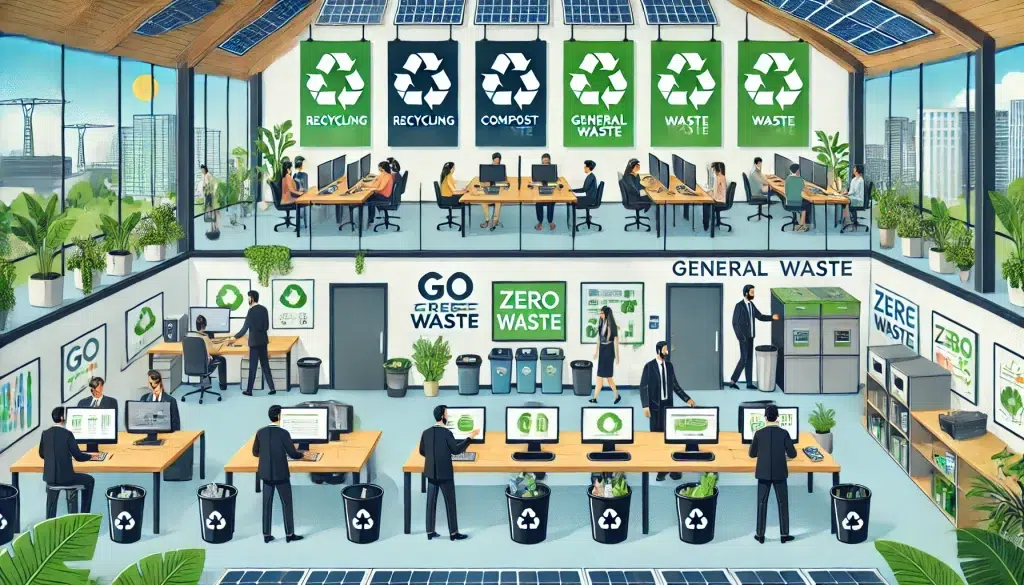
The value of zero waste cannot be emphasized. Companies that minimize waste minimize their environmental impact, save natural resources, and reduce greenhouse gas emissions. Furthermore, implementing zero-waste techniques improves the company’s reputation, promotes innovation, and can result in cost savings through effective resource management. Corporate responsibility is more than just environmental; it is also about meeting consumer expectations and remaining competitive in a sustainability-driven economy.
Also Read: Zero-Waste Living: Small Steps For Big Climate Impact
Examples of Companies With Successful Zero-Waste Initiatives
Many corporations have pioneered the route to zero waste, creating industry standards. Here are two prominent examples:
Unilever
Unilever has made significant strides in its sustainability efforts. By 2019, the company achieved zero non-hazardous waste to landfill across its global factory network, encompassing over 240 factories in 67 countries.
The company implemented innovative procedures, such as using garbage as a raw material for new products. For example, scrap aluminium from its facilities was recycled for production.
They also worked with local communities to establish garbage collection and segregation systems, resulting in a closed-loop supply chain.
Patagonia
Patagonia, an outdoor clothing manufacturer, has long advocated for sustainability. Its zero-waste strategy includes redesigning products to incorporate recycled and recyclable materials.
Patagonia’s “Worn Wear” campaign encourages customers to mend and reuse clothes rather than discard them, significantly reducing textile waste.
Patagonia has established an excellent example of zero waste as a shared responsibility by encouraging a culture of reuse among customers and employees.
Microsoft
Microsoft achieved zero waste operations on its Puget Sound site by adopting substantial composting and recycling systems.
The company created AI-powered trash monitoring tools to track garbage streams and improve disposal procedures. Its closed-loop manufacturing approach recycles used electronics to obtain valuable elements for new products.
These case studies demonstrate the various techniques that businesses may take to eliminate waste, emphasising the importance of creativity and teamwork in reaching zero waste.
Also Read: A Resource Recovery Process Of Recycling And Zero-Waste
Practical Steps to Implement Zero-Waste Policies
The transition to zero-waste operations requires a purposeful and systematic strategy. The following are actionable initiatives corporations can take:
1. Conduct a waste audit
Analyze current waste streams to determine the primary sources of garbage and evaluate the efficacy of present recycling or composting programs.
2. Set clear goals and metrics
Determine short- and long-term zero-waste targets. For example, strive to cut landfill trash by 50% in three years while measuring success with measurable indicators.
3. Redesign products and packaging
Choose recyclable, compostable, or reusable materials. Consider using circular design concepts to create items that are easy to disassemble and recycle.
4. Employee training and engagement
Create training and awareness campaigns to develop a zero-waste culture among staff. Offer rewards for innovative waste-reduction ideas.
5. Collaborate with stakeholders
Collaborate with suppliers, trash management providers, and local communities to improve waste reduction efforts.
6. Invest in technology
Implement AI and IoT technologies for trash tracking, segregation, and monitoring. Smart bins and garbage recognition software can help improve efficiency.
7. Regular review and improvement
Waste management policy should be reviewed regularly to reflect evolving technology and challenges.
Also Read: How To Adopt A Zero-Waste Lifestyle: Practical Tips To Eliminate Household Waste
Challenges and Solutions to Achieve Zero Waste
While zero waste has various advantages, implementation is challenging. Addressing these difficulties requires creativity, teamwork, and perseverance.
1. Challenge: High Initial Costs
Solution: Consider the long-term savings and benefits of incorporating zero-waste initiatives. Government incentives and grants for sustainable initiatives can also offset the early costs.
2. Challenge: Employee Resistance
Solution: Foster a sustainable culture by including employees in decision-making and communicating the benefits of zero waste.
3. Challenge: Limited Recycling Infrastructure
Solution: Work with specialized waste management businesses to invest in local recycling facilities or on-site trash processing machines.
4. Challenge: Supply Chain Complexity
Solution: Engage suppliers in zero-waste agreements and push them to use sustainable practices. A shared responsibility strategy can simplify difficult situations.
5. Challenge: Lack of Standardised Metrics
Solution: Adhere to global frameworks like the Zero Waste International Alliance criteria to ensure consistent and trustworthy reporting.
Also Read: How To Reduce Ewaste At Home?
Conclusion
In conclusion, achieving zero waste initiatives in corporate operations is more than a goal; it is a transformative journey. Corporations can help tackle environmental concerns by changing how resources are used and trash is managed. Unilever, Patagonia, and Microsoft exemplify how innovation and teamwork can produce great results.
Practical methods such as performing waste audits, rethinking products, and using technology provide a road map for businesses seeking zero waste. Despite the hurdles, initiatives such as stakeholder involvement and strategic investments can help pave the path to success. As consumers increasingly prefer zero waste, initiatives in corporate operations are becoming a commercial necessity. Companies that adopt this approach help to make the world a healthier place while also positioning themselves as global sustainability leaders. By committing to zero waste, businesses can transform waste into opportunity and innovation into impact.
Also Read: How Zero-Waste Fashion Can Transform The Textile Industry?

0 Comments