
In 2023, forests and other land ecosystems failed to mitigate climate change effectively. This challenge of 2023 climate emissions was primarily due to extreme drought conditions in the Amazon rainforest and extreme wildfires in Canada, which hampered their natural ability to absorb carbon dioxide, according to a recent study. The findings indicate a record amount of carbon dioxide entered the Earth’s atmosphere last year, exacerbating the global warming crisis.
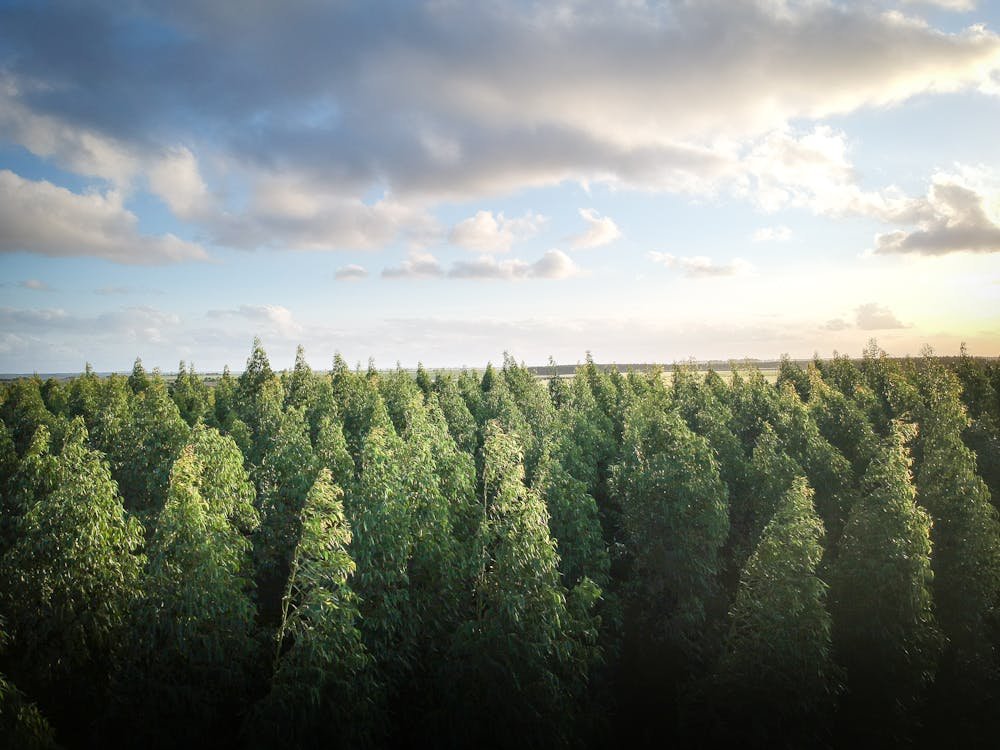
Record Temperatures and Drought Impact Forests
Forests play a crucial role in absorbing carbon dioxide, a key greenhouse gas contributing to global warming. Typically, these ecosystems absorb nearly a third of annual emissions from fossil fuels and other human activities. However, the study conducted by scientists from Tsinghua University in China, the University of Exeter in England, and LSCE revealed that 2023 saw a significant disruption in this process. The research was presented at the International Carbon Dioxide Conference in Manaus, Brazil.
One of the main reasons behind this disruption was record-high global temperatures, which led to severe droughts, particularly in the Amazon rainforest. The drought dried out vegetation, significantly reducing the forests’ ability to absorb carbon. Stephen Sitch, a study co-author and carbon expert at the University of Exeter, explained that just as plants in a garden struggle to thrive without water, the same is true on a larger scale for ecosystems like the Amazon. Without sufficient moisture, these forests cannot grow effectively or sequester carbon.
Wildfires Intensify the Carbon Crisis
In addition to drought, record wildfires in Canada further worsened the situation. Wildfires release vast amounts of carbon dioxide back into the atmosphere, counteracting the forests’ carbon absorption. The combination of these fires and the drought conditions led to a significant decrease in the amount of carbon dioxide absorbed by land ecosystems in 2023.
The study also noted that these conditions were exacerbated by the El Niño climate phenomenon, which often causes disruptions in typical weather patterns. However, what made the situation in 2023 particularly severe was the record-high temperatures driven by human-induced climate change. These elevated temperatures intensified the impacts of El Niño, resulting in an extreme dip in the effectiveness of land carbon sinks.
Rising Carbon Emissions and Global Warming Concerns
The consequences of this dip are concerning, as the world is now emitting more carbon dioxide than ever before. The study, while still undergoing peer review, has been endorsed by three independent scientists who agree that the conclusions are robust. They highlighted that while dips in land carbon sinks were not unprecedented during El Niño years, the severity of the situation in 2023 was unparalleled.
This record emission of carbon dioxide contributes to the accelerating pace of global warming, posing significant risks to the environment and human societies.
Overall, the study on 2023 climate emissions highlights a troubling trend where natural systems, which have long acted as buffers against climate change, are increasingly being overwhelmed by human activities and climate-related stressors. The situation calls for immediate and sustained action to address the root causes of climate change and protect the planet’s vital carbon sinks.
Also Read: California Wildfire Becomes The Largest In USA, Burns 5000 Acres An Hour

0 Comments