
Recent flooding events in the US have significantly impacted small business owners. With the rising frequency and intensity of these natural disasters, many businesses face challenges. The immediate effects of floods in the US, such as property damage and loss of inventory, are compounded by longer-term issues like disrupted supply chains and decreased customer foot traffic. For many small businesses, the financial strain from these repeated incidents is pushing them to the brink of closure.
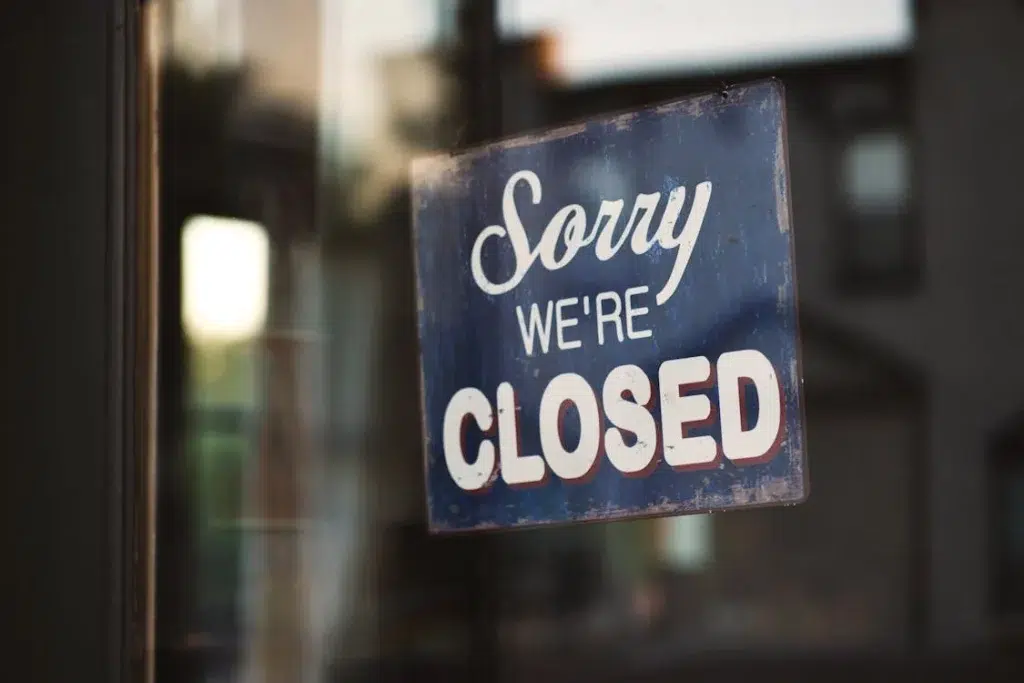
Financial Strain and Recovery Efforts Amid Floods in the US
The financial burden on small businesses due to flooding is immense. Insurance policies often fall short of covering the total damages, leaving business owners to bear significant out-of-pocket expenses. The cost of repairs, replacement of damaged goods, and loss of revenue during downtime can be overwhelming. Recovery efforts are further hampered by the slow pace of government assistance and bureaucratic red tape, delaying much-needed support. Consequently, some businesses are unable to reopen, leading to job losses and economic decline in affected communities.
Community and Economic Consequences
The ripple effect of small business closures extends beyond the businesses themselves, impacting entire communities. Local economies suffer as businesses that provide essential goods and services shut their doors. The loss of these businesses can lead to a decline in neighborhood vitality, reduced property values, and diminished community spirit. Additionally, the closure of small businesses affects employment rates, contributing to increased financial instability for many families. The repeated cycle of flooding and its aftermath underscores the urgent need for more robust infrastructure and support systems to protect small businesses and their communities.
Overall, frequent floods in the US present a severe and ongoing threat to small business owners. The immediate and long-term financial impacts and broader economic consequences highlight the need for comprehensive strategies to mitigate these challenges and support recovery efforts.
Also Read: New York Storm Kills One, Rips Off Church Roof

0 Comments