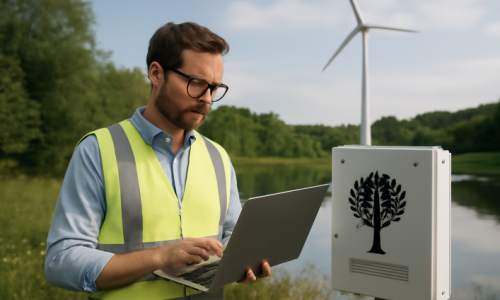
Environmental Impact Assessment is a systematic approach to identifying, predicting, and evaluating the change an action or a project will bring about in the environment. A person or organization usually carries out an EIA before making a major decision. This process requires considering a broad definition of environment. Social, cultural, and health effects form an integral part of EIA. Learn all about Environmental Impact Assessment in this free course and how it can impact your business and life.
Embark on a comprehensive journey into Environmental Impact Assessment (EIA) with our specialized course. Gain a profound understanding of the fundamental concepts, methodologies, and significance of conducting EIAs in various contexts.
Why you should take this course?
This course is essential for anyone passionate about environmental sustainability, urban planning, or regulatory compliance. Whether you’re a student, professional, or enthusiast, acquiring expertise in EIA is crucial for contributing to responsible decision-making and sustainable development.
What you will learn after completing this course?
Upon completing this course, you will emerge with a robust skill set, including the ability to assess environmental impacts effectively, navigate regulatory frameworks, and propose mitigation strategies. Acquire the knowledge needed to conduct thorough EIAs, ensuring that future projects align with environmental conservation and sustainable practices.
Curriculum
- 6 Sections
- 6 Lessons
- 10 Weeks
- Module 1: Basic Concept of Environmental Impact AssessmentTo put it simply, Environmental Impact Assessment is a systematic approach to identifying, predicting, and evaluating the change an action or a project will bring about in the environment.1
- Module 2: EIA LegislationEIA legislation exists today through environmental provisions set aside in a diverse range of legal mechanisms worldwide. The first legal law for EIA came into being on 1st January 1970.1
- Module 3: EIA Process and MethodsEIA process and methods sustain local and indigenous communities and their traditional sources of livelihood. Procedures and methods in an EIA help develop projects that focus on the sustainable use of resources and preserving the Earth for generations to come.1
- Module 4: Prediction and Assessment of Impacts on the EnvironmentThe prediction and assessment of impacts on the environment of proposals is an essential component of EIA. Parties determine environmental impacts by understanding activities associated with the project.1
- Module 5: Environmental Protection Measures (EPMs)Environmental Protection Measures (EPMs) refer to all actions undertaken to minimize environmental degradation and destruction. It includes assessing and predicting impacts, actions taken to avoid impacts, setting environmental baselines or limits.1
- Module 6: Management of EIA ProcessThe proper management of different processes in an EIA makes it a powerful tool for organizations to understand their environmental impacts.1

Dr. Jennifer Anderson is a highly esteemed professor in the field of environmental education with over 30 years of experience. Her passion for the environment and dedication to educating the next generation have made her a respected authority in the field. Dr. Anderson’s extensive knowledge, combined with her commitment to fostering a love for nature and sustainability, has influenced countless students to become environmentally conscious citizens.