
Artificial intelligence infrastructure is expanding at an unusual pace, but its environmental footprint is increasingly coming under the spotlight. SpaceXAI data center emissions have become the latest focus of congressional scrutiny after a senior U.S. lawmaker raised concerns about the environmental and public health impacts of Elon Musk’s AI operations. On July 28, Frank Pallone Jr., Ranking Member of the U.S. House Committee on Energy and Commerce, formally requested extensive documentation and an on-site tour of SpaceXAI’s Colossus and Colossus 2 data centers in Memphis. The request follows the company’s rapid AI expansion, growing reliance on natural gas-powered turbines, and mounting legal challenges over alleged Clean Air Act violations.
With AI data centers consuming enormous amounts of electricity and water, lawmakers are increasingly questioning whether current regulations are sufficient to protect communities and critical infrastructure.
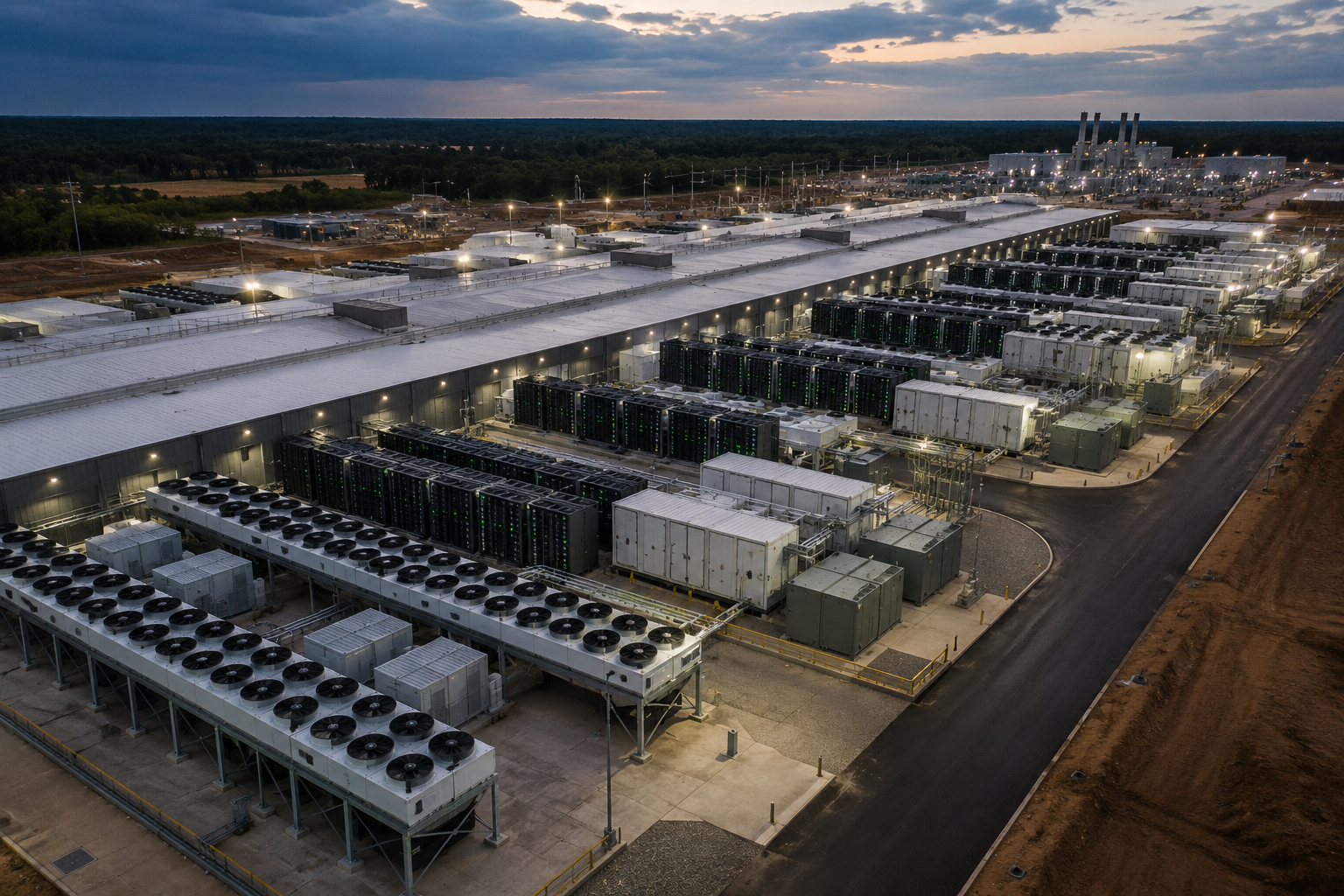
Why Congress is Investigating SpaceXAI
Pallone sent a letter directly to Elon Musk requesting detailed information about operations at the Colossus and Colossus 2 facilities. The request came shortly after House Committee members met with SpaceXAI leadership. The company, formerly known as xAI, officially rebranded as SpaceXAI on July 6 as a subsidiary of SpaceX.
In his letter, Pallone warned that stronger federal safeguards may be necessary to limit the effects of large AI data centers on electricity prices, the power grid, air quality and water resources. He also suggested that Congress may need to consider a temporary moratorium on new data centers if adequate environmental guardrails are not established.
Also Read: US Set To Ease Environmental Safeguards For Space Launches
Information Requested from SpaceXAI
The House Committee has given SpaceXAI until August 11 to submit extensive documentation related to its environmental practices and infrastructure.
Requested Information |
Purpose |
|---|---|
List of natural gas turbines since January 2024 |
Review power generation capacity |
Planned turbine expansion through 2028 |
Assess future environmental impact |
Federal, state and local communications |
Evaluate regulatory oversight |
Permits for gas turbines |
Verify compliance requirements |
Emissions reports and analyses |
Review pollution levels |
Water usage and contamination studies |
Assess environmental risks |
Colossus Water Recycling Plant records |
Examine water conservation efforts |
Representatives from SpaceXAI had not responded publicly to the congressional request at the time of reporting.
Also Read: India’s AI Data Centres Will Require 26.3 GW Of Power By FY32: MoS Power
Lawsuits and Political Pressure Continue to Grow
The congressional inquiry follows weeks of growing political attention surrounding SpaceXAI’s operations. Democratic lawmakers Alexandria Ocasio-Cortez, Ayanna Pressley, and Summer Lee recently visited Shelby County and criticized the rapid expansion of AI data center campuses in Memphis and Southaven, Mississippi.
Meanwhile, the NAACP and the Mississippi State Conference of the NAACP filed legal action against SpaceXAI and its affiliate MZX Tech LLC, alleging violations of the Clean Air Act at the Southaven power facility that supplies electricity to the Colossus 2 data center.
State correspondence reviewed by local media revealed that the Southaven site currently houses 60 natural gas turbines, with 52 operating during June 2026 for a combined 21,439 operating hours, an average of 412 hours per turbine during the month. The documents also indicated that only 14 turbines are equipped with Selective Catalytic Reduction (SCR) systems, a technology designed to significantly reduce emissions.
Also Read: Blue Economy In Southeast Asia At Risk As Funding Falls Short, OECD Warns
Expansion Plans Remain Under Scrutiny
Despite the investigation, SpaceXAI continues expanding its AI infrastructure.
- The original Colossus data center, operating since 2024, has transitioned from relying solely on natural gas turbines to a hybrid microgrid system combining solar power, battery storage and gas turbines, supported by two 150-megawatt substations.
- AI company Anthropic has also signed an agreement to lease part of the facility’s computing capacity.
- The company’s $80 million Colossus Water Recycling Plant remains another closely watched project.
- Approved by Tennessee regulators earlier this year, the facility is expected to reduce pressure on the Memphis Aquifer by approximately 9% once operational.
- Construction was temporarily paused after Musk confirmed the company prioritized Colossus 2, but Memphis Mayor Paul Young recently indicated work could resume in early 2027.
Also Read: Invisible Plastic, Visible Damage: Diseases Caused By Microplastics You Should Know About
What the Investigation Could Mean
The growing debate around SpaceXAI data center emissions reflects broader concerns about balancing rapid AI innovation with environmental responsibility. As AI facilities demand more electricity, water and cooling infrastructure, federal lawmakers are increasingly examining whether existing environmental regulations can keep pace. The outcome of the House Committee’s investigation could influence future oversight of AI data centers across the United States, particularly as companies continue investing billions in next-generation computing infrastructure.
Also Read: Spain Braces for Intense Heat and Wind That May Reignite Wildfires

0 Comments