
As Delhi’s air quality fell to unsafe levels, the city’s joyous Diwali was overshadowed by a heavy layer of poisonous air. One of the pollution hotspots, Delhi’s Anand Vihar, hits a severe 393 AQI with an alarming Air Quality Index (AQI) of 395, putting residents’ health at serious risk.
The Delhi government implemented strict pollution control measures, including a complete ban on firecrackers, yet the air quality deteriorated. However, people have been lighting firecrackers late into the night in several places throughout the city, especially in East and West Delhi, violating these rules.
The government sent 377 enforcement teams but could not stop the rising pollution levels. The AQI values in some parts of the capital reached alarming levels due to pre-existing pollution and smoke from exploding crackers; RK Puram and Burari Crossing reached 395 and 394, respectively.
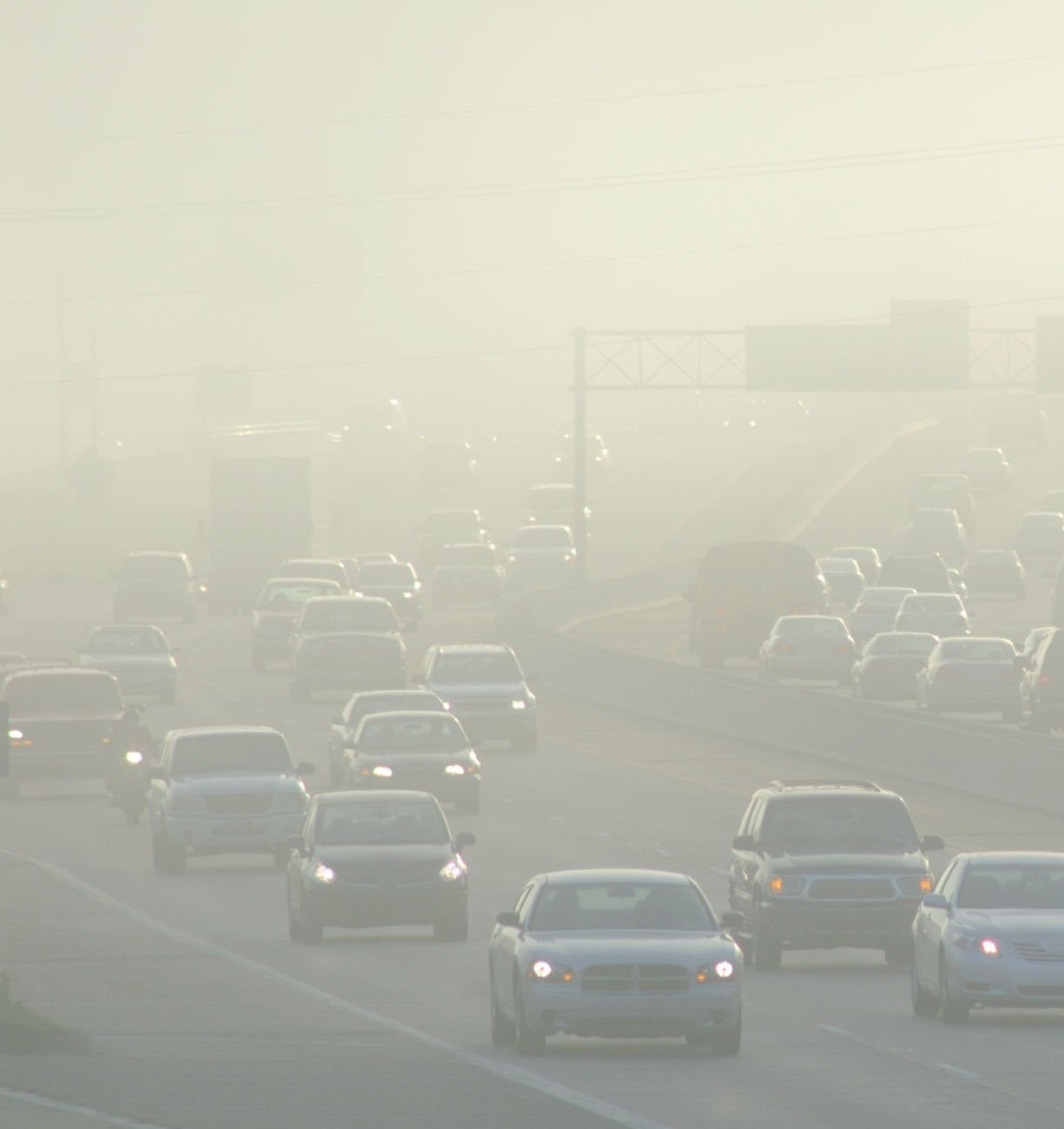
Delhi’s Escalating Air Quality Crisis: From Moderate AQI Last Diwali to Hazardous Levels This Year
Due to great weather, the AQI was relatively lower at 218 during last year’s Diwali, but the pollution levels now stand in stark contrast. The current spike is caused by several adverse factors, such as the illegal use of firecrackers, lousy weather, stubble burning in other states, and car emissions in the capital.
The condition presents significant health hazards due primarily to the involvement of PM2.5 particles. These microscopic contaminants have the potential to seriously impair the respiratory system, resulting in subsequent health problems. The most susceptible populations in these conditions are children, the elderly, and people with underlying respiratory diseases.
The Delhi Pollution Control Committee issued a concerning prediction: high pollution levels in early November. With the accumulation of local pollution and the ongoing stubble burning in neighbouring agricultural states, the prognosis presents a troubling picture for the coming weeks.
As of November 1, 2024, the city-wide average AQI for Delhi is approximately 330, a considerable rise over the previous day’s 307. This firmly places the city’s air quality in the “inferior” category. The city’s visible toxic haze is a sobering reminder of the capital’s ongoing battle with air pollution.
Urgent Need for Enhanced Pollution Control Measures and Public Awareness in Delhi’s Fight Against Air Quality Crisis
Due to declining air quality, serious concerns exist about the sustainability of the present pollution control methods. The government’s efforts to restrict the use of firecrackers show excellent intentions, but in reality, there is an apparent disconnect between rule and practice. Given the circumstances, Delhi’s air pollution problem requires a more thorough treatment.
One cannot overstate the adverse effects of such high pollution levels on one’s health. Medical professionals warn that prolonged exposure to such high pollution levels can cause respiratory disorders and more severe cardiovascular ailments, among other short-term and long-term health problems.
As Delhi’s Anand Vihar hits Severe 393 AQI, the rise in pollution during this year’s Diwali should be noted by authorities and citizens. The statement highlights the urgent need for increased public awareness of the harmful health effects of air pollution and more stringent enforcement of environmental regulations. The situation also emphasises how crucial regional collaboration is since sources of pollution like stubble burning necessitate coordinated actions across state boundaries.
Given Delhi’s continuous environmental problem, robust enforcement, community engagement, and creative pollution control strategies are necessary to develop long-term solutions. All stakeholders must work together to address this emerging environmental concern since it threatens millions of people’s health.
Also Read: Living In A Pollution-Free Environment Is A Fundamental Right: Supreme Court

0 Comments