
Severe Cyclone Montha unleashed widespread devastation as it crossed the Andhra Pradesh and Yanam coasts between 11:30 pm and 12:30 am on October 28–29, making landfall near Narsapur close to Kakinada. With gusts exceeding 120 km/h and torrential rain, the cyclone severely damaged homes, roads, power systems, and crops in Andhra Pradesh and parts of southern Odisha. According to preliminary reports, the districts of Gajapati, Ganjam, Rayagada, and Kalahandi in Odisha, as well as the coastal areas of Andhra Pradesh, were the most affected.

Source: X
Massive Crop and Infrastructure Damage in Andhra Pradesh
Cyclone Montha severely damaged standing crops, including rice, cotton, maize, and vegetables, over vast swaths of cropland in Andhra Pradesh’s central impact zone. Early estimates from the state government show that almost 83,000 farmers and over 43,000 hectares of agricultural land were affected. There was significant damage to the power system, with an estimated loss of
Rs 2,200 crore.
- Agricultural losses: Shortly before harvest, thousands of farmers complained that their cotton and paddy crops had been flattened.
- Power outage: Prolonged blackouts in Kakinada were caused by uprooted trees and electrical poles.
- Transport breakdown: At 69 key areas, erosion, potholes, and flooding damaged more than 1,632 km of roadways.
- Restoration efforts: Emergency work is still ongoing on a war footing, and as of October 29, repairs have been finished in 16 locations.
B.C. Janardhan Reddy, the minister of transport and roads for Andhra, stressed that mobility and communication would soon be fully restored. During the period from about 7 p.m. to early morning landfall, homes were uprooted, electrical lines were interrupted, and fields were flooded with standing water.

Source: X
Also Read: Two Key Coral Species In Florida Declared Functionally Extinct After Devastating Ocean Heatwave
Odisha Faces Flooding, Landslides, and Evacuations
The cyclone’s outer bands caused significant rainfall in southern Odisha, even though it did not directly hit the region. The areas most severely affected were Gajapati, Ganjam, Koraput, Rayagada, and Kalahandi. Rainfall totaled 150.5 mm in the Goshani block of the Gajapati district, 119.8 mm in Rayagada, and 117.4 mm in Patrapur (Ganjam).
- Roadblocks and landslides: Although authorities quickly reestablished connection, landslides and fallen trees obstructed roads in the Gajapati district.
- Crop submergence: Farmers reported significant damage to harvest-ready rice fields. “I lost the paddy on two acres of my land,” Ganjam farmer Niranjan Mohanty stated.
- Housing damage: The constant rain and strong winds caused the roofs of some houses to collapse or sustain damage.
- Evacuation measures: 19,000 people, including 10,000 from Gajapati alone, were moved by the Odisha government from low-lying and landslide-prone areas.
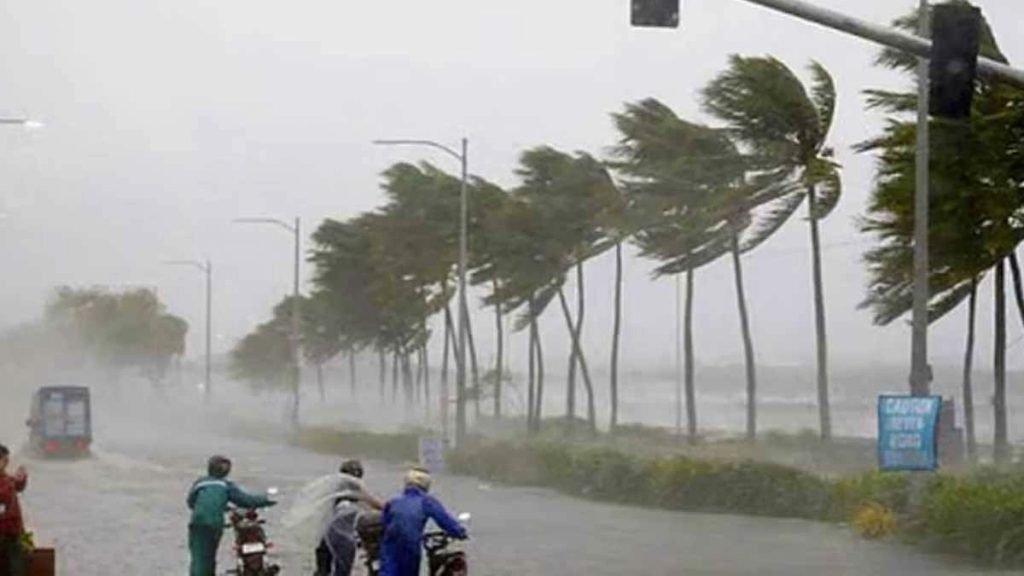

Suresh Pujari, the minister of revenue and disaster management for Odisha, revealed that 11 urban bodies and 33 blocks were impacted. To speed up compensation for farmers and victims, he instructed district collectors to assess damages as soon as possible. Evaluations of crop loss are scheduled to start on October 30.
The effects of Cyclone Montha underscore the need for climate-resilient infrastructure and prompt disaster response systems by highlighting the eastern coast of India’s susceptibility to extreme weather events.
Also Read: New Studies Reveal A Surprising Decline In Global Species Extinction Rates

0 Comments