
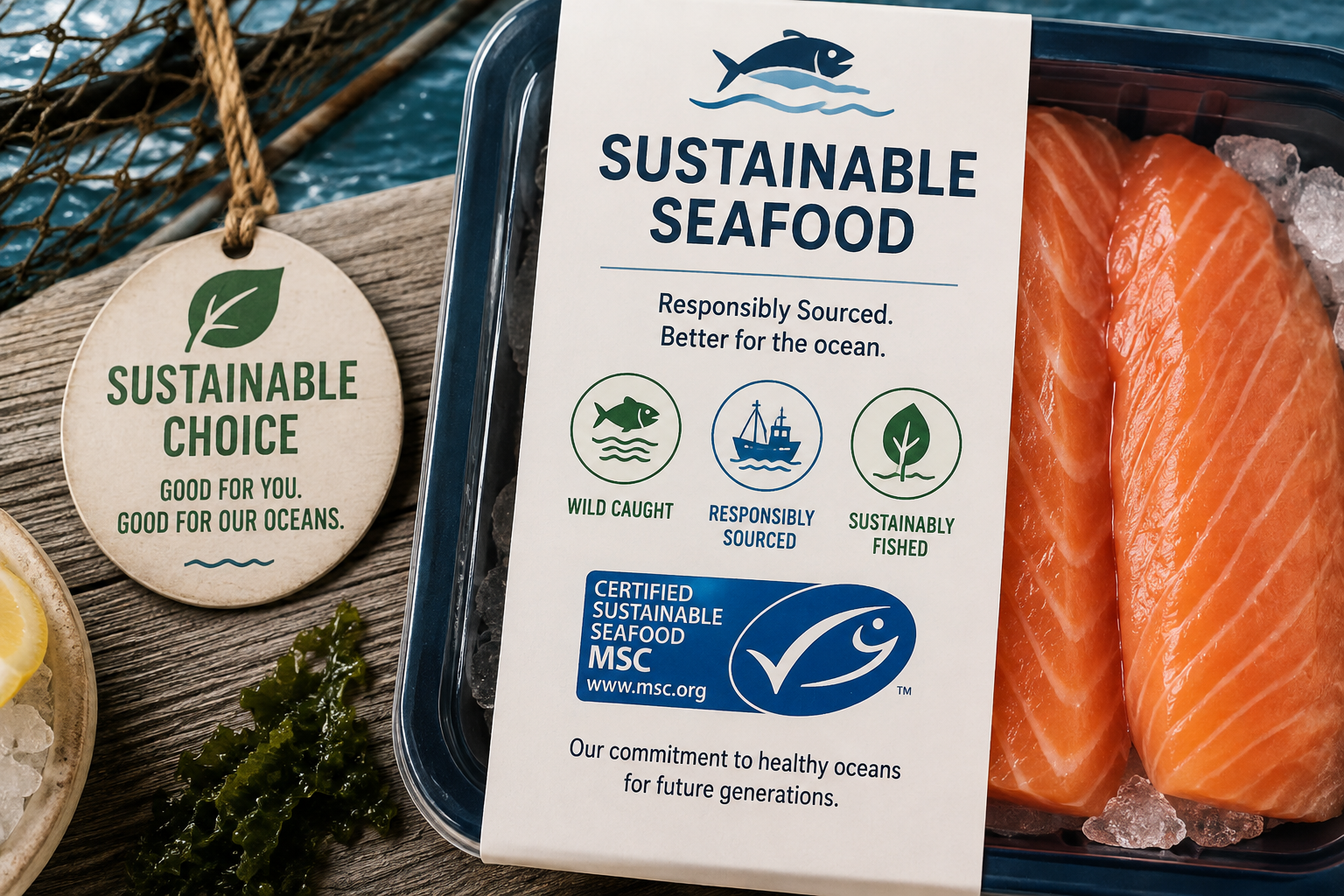
Consumers sue Amazon over seafood sustainability labels in a proposed class action lawsuit that accuses the e-commerce giant of misleading shoppers through broad environmental claims about seafood sold on its platform. Filed in Seattle federal court, the lawsuit alleges that Amazon marketed products with labels such as “dolphin safe,” “responsibly sourced,” “sustainable,” “wild caught,” and “MSC Certified Sustainable Seafood” without providing sufficient evidence to support those claims. The plaintiffs argue that these labels created the impression that the seafood had minimal environmental impact, despite ongoing concerns over traceability and unsustainable fishing practices as reported by Reuters.
The case adds to growing scrutiny of corporate greenwashing, as regulators and consumers increasingly demand greater transparency around sustainability claims. Despite the legal challenge, Amazon’s (NASDAQ: AMZN) shares closed more than 15% higher on Friday, before slipping about 0.5% in after-hours trading.
Why the Lawsuit Was Filed
According to the complaint, Amazon’s sustainability messaging led consumers to believe that seafood products sold on its marketplace were sourced in an environmentally responsible manner. However, the plaintiffs claim these representations are either unsubstantiated or materially misleading.
One of the key arguments in the lawsuit is that many commercial fishing vessels are not continuously traceable. Some vessels reportedly disable electronic tracking systems, known as transponders, making it difficult to verify where and how seafood is caught. The complaint also cites estimates suggesting that at least 20% of imported wild-caught seafood is not responsibly or sustainably sourced, raising questions about the accuracy of broad sustainability claims.
Also Read: New York Challenges Solar Development Myths on Farmland Loss
Seafood Products and Brands Named in the Case
The proposed class action covers several seafood products sold through Amazon, including both third-party brands and the company’s own private-label products.
Category |
Details |
|---|---|
Court |
Seattle Federal Court |
Main allegation |
Misleading seafood sustainability claims |
Labels challenged |
Dolphin Safe, Responsibly Sourced, Sustainable, Wild Caught, MSC Certified Sustainable Seafood |
Brands mentioned |
Bumble Bee, Chicken of the Sea, StarKist, 365 by Whole Foods Market |
Relief sought |
Compensatory damages, punitive damages, and restitution |
The plaintiffs argue they either would not have purchased these products or would have paid less had they known the alleged environmental limitations behind the sustainability claims.
Also Read: Abandoned Australian Ash Tree Study Undermines Clearcutting Arguments
Greenwashing Concerns Continue to Grow
The US consumers sue Amazon over seafood sustainability labels lawsuit reflects a broader trend of increasing legal scrutiny over environmental marketing.
- Greenwashing refers to the practice of exaggerating or overstating a product’s environmental benefits, potentially influencing consumers to make purchasing decisions based on incomplete or misleading information.
- In recent years, governments, regulators and consumer advocacy groups have intensified efforts to ensure that sustainability claims are supported by credible evidence.
- Businesses are increasingly expected to provide transparent information about sourcing practices, emissions, certifications and supply chain traceability rather than relying on broad marketing terms.
Also Read: Philippines Launches Zero-Waste Shop to Combat Plastic Waste Crisis
Investor Sentiment Remains Positive
Despite the legal challenge, investor confidence in Amazon remained largely unaffected.
- Amazon shares posted gains of more than 15% during Friday’s trading session before experiencing a modest decline in after-hours trading.
Retail investor activity also remained strong.
- According to Stocktwits data, sentiment surrounding Amazon was classified as “extremely bullish,” while discussion volume surged significantly over the previous week, reflecting continued market optimism despite the lawsuit.
Also Read: Comparison of Paper and Timber Certifications: FSC vs PEFC
What Happens Next?
The proposed class action seeks compensatory damages, punitive damages, and restitution under Washington consumer protection laws. If the case proceeds, it could have wider implications for how retailers communicate sustainability claims and verify environmental certifications across their product portfolios.
As consumer awareness around ethical sourcing continues to rise, the outcome of this lawsuit may influence future standards for seafood labeling, corporate sustainability messaging, and the growing fight against greenwashing in the retail industry.
Also Read: Comparison of Compostable vs Recyclable Packaging Options

0 Comments