
As the world works to address climate change, firms face increasing pressure to decrease their carbon footprint. Supply chains, the foundation of every corporate operation, are frequently responsible for many of a company’s greenhouse gas emissions. Businesses that optimize their supply chains can reduce their environmental impact while retaining efficiency and profitability. This article looks at the methods, tools, and measurement systems that businesses employ to reduce their carbon footprint reduction through supply chain optimization.
Carbon Footprint in the Context of Supply Chains
A carbon footprint is the total greenhouse gas (GHG) emissions produced by an individual, organization, event, or product, measured in carbon dioxide equivalents (CO₂e). In the context of supply chains, it refers to emissions produced at all stages of a product’s lifespan, from raw material extraction and manufacture to transportation, warehousing, and delivery.
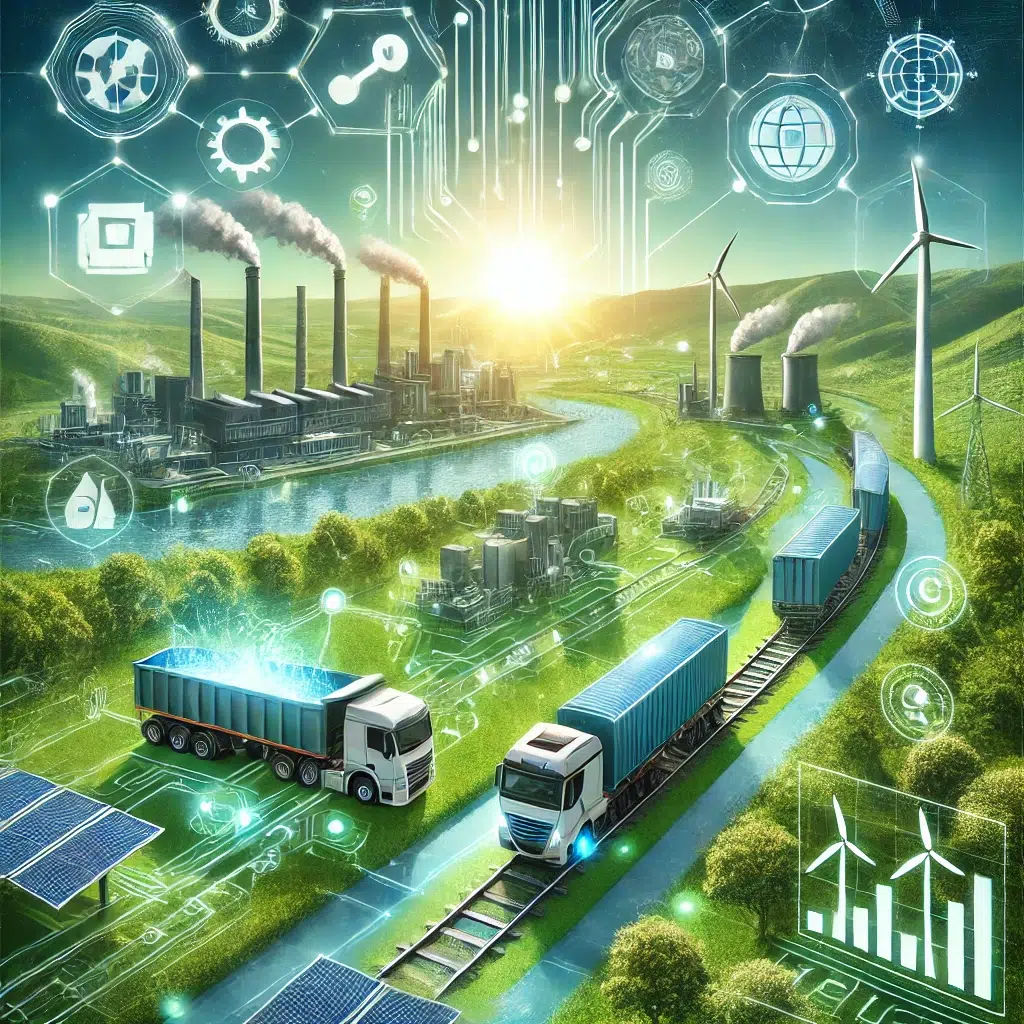
For organizations, the supply chain can account for up to 80% of their total carbon footprint. These emissions are characterized as:
- Scope 1 includes direct emissions from company-owned resources.
- Scope 2 includes indirect emissions from purchased energy.
- Scope 3 Emissions from the value chain, including suppliers and logistics.
Addressing carbon footprint reduction through supply chain optimization is crucial for firms that want to reduce their environmental impact and achieve sustainability goals.
Also Read: Companies Are Buying Up Cheap Carbon Offsets: Greenwashing Or Genuine Impact?
Carbon Footprint Reduction Through Supply Chain Optimization
1. Local Sourcing
Prioritizing local sourcing is an efficient approach to carbon footprint reduction through supply chain optimization. Procuring raw materials and goods from close sources reduces the need for long-distance transportation, significantly lowering emissions. For example, many food and beverage firms are now buying products from local farmers to reduce their carbon impact while helping area economies.
Local sourcing also decreases reliance on air and sea freight, significantly contributing to GHG emissions. Furthermore, shorter supply chains increase transparency, making it easier for businesses to monitor and improve their sustainability practices.
2. Green Logistics
Logistics operations, such as transportation and warehousing, majorly contribute to supply chain emissions. Companies are implementing greener logistical practices, such as:
- Fleet Electrification: Switching from diesel-powered trucks to electric vehicles (EVs) reduces pollution during last-mile deliveries.
- Modal Shifts: Choosing rail or sea freight over road or air transport minimizes carbon emissions.
- Efficient Routing: Advanced software optimizes delivery routes to reduce fuel usage and trip time.
- Consolidated Shipments: Combining shipments from many vendors decreases the trips needed.
Sustainable methods such as solar panel installation, energy-efficient lighting, and the integration of smart temperature controls are also transforming warehousing.
Also Read: How To Setup A Sustainable Supply Chain?
The Role of Technology in Supply Chain Optimisation
Technology has revolutionized carbon footprint reduction through supply chain optimization, allowing for real-time tracking, predictive analysis, and process automation. This shift is driven by two fundamental innovations: artificial intelligence (AI) and the Internet of Things (IoT).
- Artificial Intelligence (AI)
AI improves supply chain optimization by analyzing ample information to uncover inefficiencies and areas for improvement. Key applications include:
- Predictive Analytics: Artificial intelligence forecasts demand trends, helping businesses optimize inventory levels and minimize waste.
- Dynamic Pricing Models: Artificial intelligence (AI) assists in balancing supply and demand, minimizing the need for overproduction.
- Transportation Optimization: AI-powered technologies enhance route planning, fleet utilization, and fuel efficiency.
For example, multinational logistics corporations such as DHL employ AI to optimize delivery routes, minimizing fuel usage and emissions.
- Internet of Things (IoT)
The Internet of Things connects devices throughout the supply chain to provide real-time inventory, transportation, and energy use data. Applications include:
- Smart Sensors: Monitor storage conditions to avoid deterioration and waste.
- Telematics Systems: Monitor vehicle performance and fuel use to discover inefficiencies.
- Energy Management: Improve energy efficiency in warehouses and manufacturing plants.
IoT-enabled visibility improves decision-making, allowing businesses to pinpoint pollution hotspots and deploy tailored remedies.
Also Read: Carbon Capture Innovations: Are We Ready to Scale Up?
Measuring and Tracking Supply Chain Emissions
Businesses must first quantify and track supply chain emissions to minimize them effectively. Accurate measurement helps in identifying the locations with the highest carbon intensity and assesses mitigation initiatives’ effectiveness.
Tools & Frameworks
Several tools and frameworks help firms measure supply chain emissions, including:
- GHG Protocol: The GHG Protocol establishes guidelines for calculating Scope 1, 2, and 3 emissions.
- Life Cycle Assessment (LCA): Assesses emissions throughout a product’s lifecycle.
- Carbon Footprint Management Software: Platforms like Sphera and Carbon Trust automate data collection and reporting.
Data Collection Challenges
Tracking emissions throughout complicated global supply chains can be difficult due to data gaps, lack of standardization, and low supplier openness. Companies are circumventing these constraints by partnering with suppliers, simulating supply chain processes with digital twins, and using blockchain to share data securely.
Reporting and Accountability
Transparent reporting of supply chain emissions is important for establishing stakeholder confidence and adhering to legislation. Companies are issuing more sustainability reports and aligning their operations with frameworks such as the Carbon Disclosure Project (CDP) and the Science-Based Targets Initiative (SBTi).
Also Read: Hidden Carbon Footprint Of Digital Products: Decarbonizing Supply Chain
Case Studies: Companies Leading the Way
Several companies are establishing benchmarks for carbon footprint reduction through supply chain optimization:
- Walmart’s Project Gigaton intends to eliminate one billion metric tonnes of emissions from its worldwide supply chain by working with suppliers on renewable energy, waste reduction, and sustainable packaging.
- Amazon is investing in electric delivery vehicles and renewable energy initiatives to reach its Climate Pledge goal of achieving net-zero carbon emissions by 2040.
- Unilever has dramatically cut waste and emissions throughout its supply chain by sourcing raw materials sustainably and utilizing artificial intelligence for demand forecasting.
In conclusion, optimizing supply chains to reduce carbon footprints is no longer an option; it is an economic must. Companies that implement techniques such as local sourcing, greener logistics, and innovative technologies like AI and IoT reduce their environmental footprint while simultaneously increasing efficiency and resilience. While measuring and tracking supply chain emissions remains challenging, novel methods and collaborative efforts with suppliers are helping to close the gap. As firms integrate sustainability into their operations, supply chain optimization will become increasingly important in meeting global climate targets. Companies that take proactive actions now can build the road to a more sustainable future, proving that economic success and environmental stewardship are mutually reinforcing rather than mutually incompatible.
Also Read: Celebrity Carbon Footprints: Taylor Swift’s Private Jet Emissions Spark Environmental Debate

0 Comments