
Key takeaways
- The Barbican Conservatory in London is closing for renovations until 2030.
- 500 people turned up to adopt plants from the conservatory.
- The greenhouse's safety hazards prompted the temporary closure.
- The initiative highlights urban greening efforts in cities.
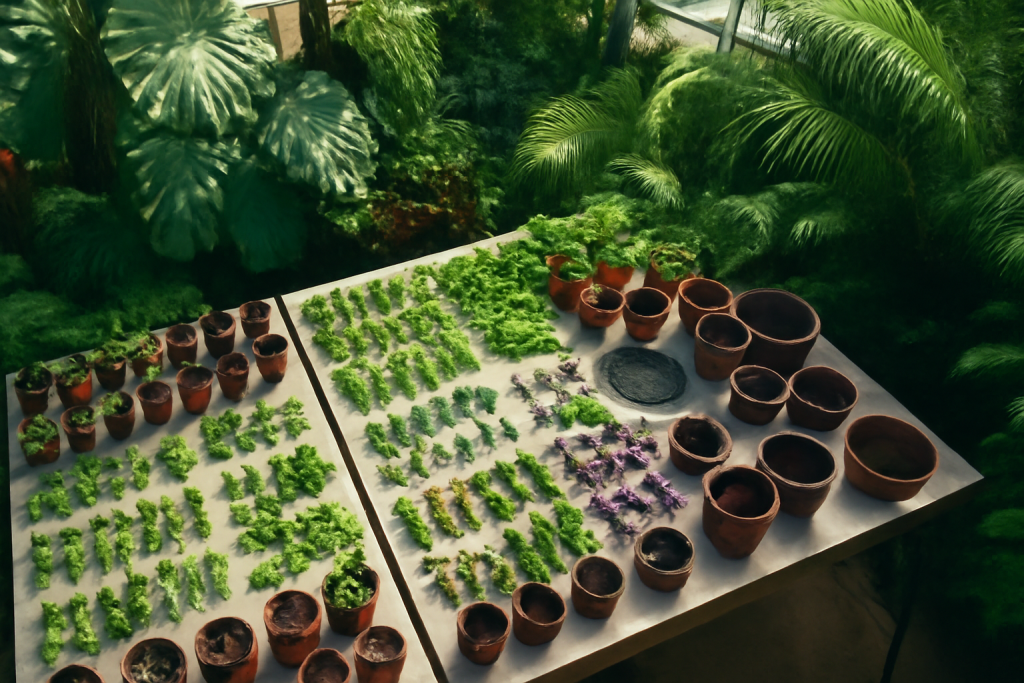
The Barbican Conservatory in London is shutting its doors for renovations until 2030, but not before giving away hundreds of plant cuttings to eager city dwellers. This initiative allows locals to take home a piece of the conservatory while it undergoes necessary safety upgrades.
Significance of the Barbican Conservatory
The Barbican Conservatory, often referred to as the ‘green lung of the city’, is home to over 2,000 species of plants. It serves as a vital green space in central London, providing a habitat for various species and a sanctuary for urban residents seeking nature. This closure comes after concerns about safety, as large glass panes were at risk of falling from the ceiling due to deterioration, prompting the decision to close the third and fourth floors for refurbishment.
Such urban green spaces are increasingly recognized for their role in enhancing city environments, improving air quality, and providing mental health benefits. The Barbican’s conservatory has been an important public asset since its opening in 1984, highlighting the need for ongoing investment in urban greenery.
Public Response and Plant Distribution
On August 20, 2026, over 500 people attended the plant adoption event, eager to take home cuttings from the conservatory’s collection. As reported by The Guardian, the event not only drew significant public interest but also served as a reminder of the importance of preserving urban flora. Many attendees expressed excitement about nurturing these plants in their homes, further integrating green elements into their urban lifestyles.
Broader Implications for Urban Greening
This closure and plant distribution highlight a growing trend in urban areas focusing on sustainability and ecological health. Cities worldwide are increasingly prioritizing green spaces to combat pollution and heat, improve biodiversity, and enhance residents’ quality of life. The Barbican’s initiative aligns with broader policies aimed at fostering greener urban environments, which are essential for addressing climate change and urban resilience.
Looking Ahead: The Future of the Barbican Conservatory
As renovations progress, the Barbican Conservatory is expected to incorporate modern sustainability practices, potentially enhancing energy efficiency and biodiversity. Observers will be keen to see how this iconic space evolves and serves the community post-renovation. The anticipated reopening in 2030 will likely be a significant moment for urban gardening advocates and residents alike, highlighting the importance of preserving green spaces in rapidly urbanizing environments.
Frequently asked questions
Why is the Barbican Conservatory closing?
The Barbican Conservatory is closing for renovations due to safety concerns, including the risk of falling glass from the ceiling.
What is the significance of the plant distribution event?
The plant distribution event allowed over 500 attendees to adopt cuttings from the conservatory, promoting urban greening and community engagement.
When will the Barbican Conservatory reopen?
The conservatory is scheduled to reopen in 2030 after a comprehensive refurbishment.
How does the closure impact urban greenery in London?
The closure underscores the importance of maintaining and investing in urban green spaces, which are essential for improving air quality and enhancing residents' well-being.

0 Comments