
Key takeaways
- Australia is closing coal mining operations in Latrobe Valley.
- This closure marks a significant economic transition for the region.
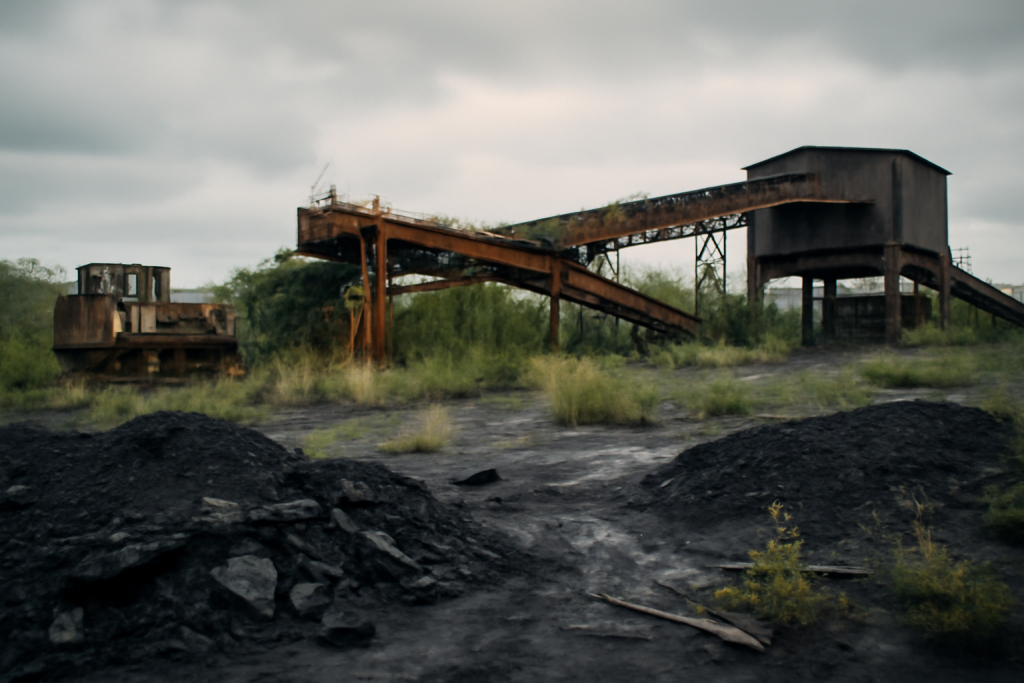
- Photographic documentation captures the decline of the coal industry.
- The shift raises questions about job displacement and energy policy.
The Latrobe Valley, once the powerhouse of Australia’s coal industry, is nearing the end of an era as coal mining operations cease. This transition not only affects local economies but also highlights broader changes in energy policy and environmental considerations.
Latrobe Valley’s Coal Industry: A Historical Context
The Latrobe Valley, located in Victoria, has been synonymous with coal mining since the 1920s, fueling the region’s economy and providing jobs for generations. At its peak, the industry employed thousands and was crucial for electricity generation across Australia. However, increasing pressure from climate change policies and the declining cost of renewable energy has forced a re-evaluation of this reliance on coal. The Australian government has committed to reducing carbon emissions, making this transition not just a local issue, but a national priority.
Closure of Coal Mines Signals Economic Change
The decline of coal mining in Latrobe Valley is now a reality, with recent initiatives aimed at shutting down operations and transitioning to sustainable energy sources. As reported by www.theguardian.com, the photographic project by Jesse Thompson documents this significant shift, capturing the landscape that has defined the valley for decades. The last coal mines are expected to shut down completely within the next few years, significantly impacting local employment and the economy.
Broader Implications for Energy and Environment
This transition reflects a larger trend seen across Australia and the globe, as nations pivot away from fossil fuels to meet climate goals. The closure of coal mines may lead to increased investment in renewable energies, but it also raises concerns about job losses and economic stability in regions reliant on coal. Policymakers will need to address these challenges, ensuring that affected workers have access to retraining and new employment opportunities.
What to Watch Moving Forward
As the Latrobe Valley transitions away from coal, the focus will be on how the Australian government supports affected communities. Key questions include what kind of retraining programs will be implemented and how quickly new energy projects can be developed. The outcomes of these initiatives will be crucial in determining the future economic health of the region and its ability to adapt to an energy landscape increasingly defined by sustainability.
Frequently asked questions
What is happening to coal mining in Latrobe Valley?
Coal mining operations in Latrobe Valley are being phased out as part of a transition to renewable energy sources.
How has the coal industry affected the local economy?
The coal industry has historically provided significant employment and economic activity in Latrobe Valley, but its decline raises concerns about job losses.
What are the environmental implications of ending coal mining?
Ending coal mining is expected to reduce carbon emissions, aligning with climate goals and promoting cleaner energy sources.
What support will be available for displaced workers?
The government is expected to implement retraining programs and job transition support for workers affected by the closure of coal mines.

0 Comments