
The transition to renewable energy sources has never been more critical as global efforts intensify to combat climate change and reduce reliance on fossil fuels. In this scenario, Q-cell solar panels stand out as a leading alternative, harnessing the sun’s abundant power to generate clean electricity.
Solar energy is the most plentiful resource on Earth. The Earth receives 173,000 terawatts of solar energy constantly. This amount is over 10,000 times greater than the world’s total energy consumption. The solar market has witnessed explosive growth, with installations in the U.S. rising from a mere 0.34 gigawatts in 2008 to an impressive 97.2 gigawatts today. This huge solar power is enough to power approximately 18 million homes in the United States.
In the growing solar market, Q Cells stands out as a major player. Founded in Germany in 1999, Q Cells is now a global solar leader under South Korea’s Hanwha Group. The company is famous for its high-performance solar panels and advanced, efficient technology. Q Cells operates manufacturing facilities in South Korea, Malaysia, and China. They have a strong supply chain and a solid presence in residential and commercial solar markets.
Are Q Cell Solar Panels Good?
Q Cell solar panels have garnered attention in the renewable energy market. However, the question remains: are they a good choice for consumers? Let’s explore if the Q cells are a perfect fit or not:
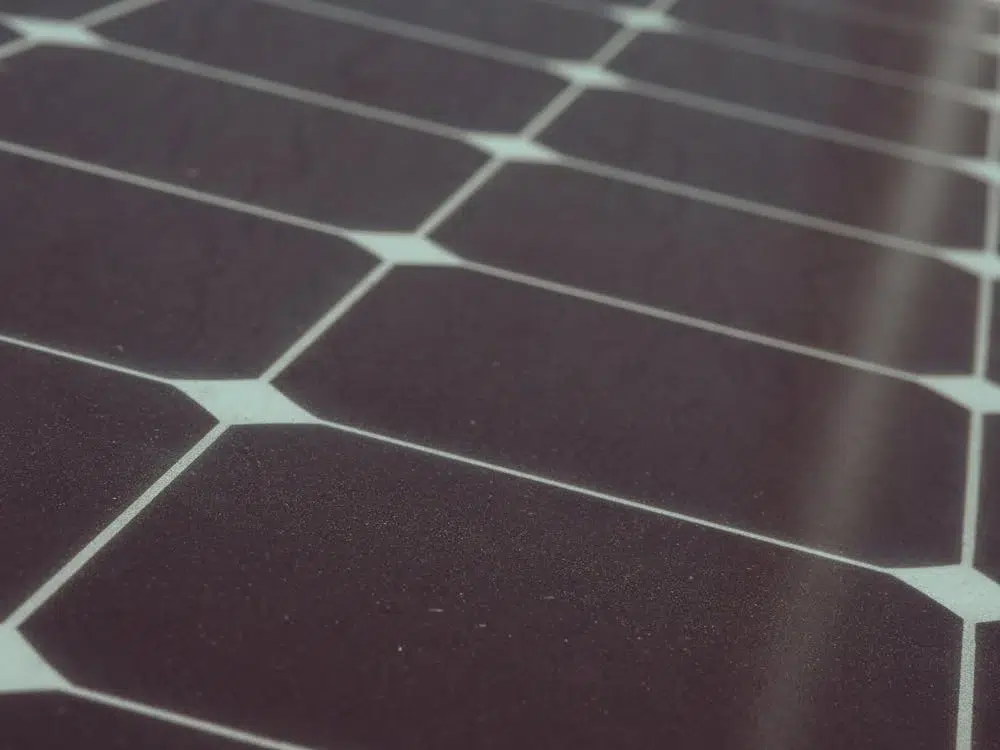
1. Performance and Efficiency
Q Cells solar panels are known for their efficiency ratings, which range from 19.8% to 21.4%, depending on the model. These figures may not be the highest in the industry, but they are competitive and place Q Cells in the mid to high-performance category.
Q Cells’s most popular models, such as the Q.PEAK DUO series, use advanced technologies like PERC (Passivated Emitter and Rear Cell) and half-cut cell designs. These technologies enhance energy output and efficiency, especially in low-light conditions.
2. Reliability and Testing
Reliability is crucial for consumers investing in solar technology. Q Cells panels consistently score well in independent testing, particularly in the PV Module Reliability Scorecard Report by PVEL. They rank among the top performers.
Q Cells panels are designed to withstand harsh environmental conditions, with features like hot-spot protection and anti-PID (Potential Induced Degradation) technology. These features help maintain performance over time.
3. Warranty and Support
Q Cells offers robust warranty options, including a standard 12-year product warranty and a 25-year performance warranty. This warranty guarantees that the panels will produce a certain percentage of their rated output over time.
This level of assurance reflects the company’s confidence in its products and provides peace of mind for consumers.
4. Cost Considerations
In terms of pricing, Q Cells panels are positioned in the mid-range of the market. This makes them an attractive option for homeowners seeking quality without breaking the bank.
Prices for Q Cell panels generally range from $2.32 to $3.16 per watt. This translates to approximately $13,920 to $18,960 for a typical 6 kW system before tax credits.
Also Read: Essential Solar Panel Maintenance Tips For Long-Term Efficiency
Q Cell Solar Panels Model, Power Ratings, Efficiency Levels and More
Q Cell offers a diverse range of solar panels designed to meet various energy needs and preferences, primarily categorized into monocrystalline and polycrystalline options. Understanding these models is essential for consumers considering solar energy solutions.
Some Examples of Q Cell Solar Panels Model
Here are the three popular models of Q-cell solar panels. Learn about their power output, efficiency, features, and more.
1. Q.PEAK DUO G9 Series
- Power Output: Ranges from 375W to 395W.
- Efficiency: Up to 21.4%.
- Features: Utilizes high-density Zcell technology with 12 busbars and half-cut cell design for enhanced performance.
2. Q.PEAK DUO G10 Series
- Power Output: Ranges from 400W to 415W.
- Efficiency: Similar efficiency levels as the G9, with advanced technologies for improved energy capture.
- Features: Incorporates the latest innovations in solar technology, making it suitable for limited-space installations.
3. Q.PEAK DUO G5 to G8 Series
- Power Output: Varies from 335W to 360W across these models.
- Efficiency: Generally starts at around 19.8% and progresses upward.
- Features: Designed for a balance of performance and cost, suitable for residential applications.
These models reflect Q Cell’s commitment to innovation, with the G9 and G10 series representing the latest advancements in solar technology, focusing on maximizing efficiency and energy output.
Monocrystalline vs. Polycrystalline Options
Q Cell manufactures both monocrystalline and polycrystalline solar panels, each with distinct characteristics:
1. Monocrystalline Q Cell Solar Panels
- Appearance: Typically black and uniform in colour.
- Efficiency: Higher efficiency ratings, often exceeding 20%, make them ideal for residential rooftops with limited space.
- Durability: Generally more durable and longer-lasting due to the purity of silicon used in their production.
- Cost: More expensive to manufacture, which can translate to a higher purchase price for consumers.
2. Polycrystalline Q-Cell Solar Panels
- Appearance: Usually blue with a speckled look due to the multiple silicon crystals used.
- Efficiency: Slightly lower efficiency ratings, typically ranging from 15% to 20%.
- Cost: More affordable than monocrystalline panels, making them a popular choice for budget-conscious consumers.
- Performance: While they may take up more space to produce the same amount of energy as monocrystalline panels, they still offer reliable performance.
Power Ratings and Efficiency Levels of Q-Cell Solar Panels
Q Cell solar panels are noted for their robust power ratings and efficiency levels. The efficiency of Q Cells panels ranges from 19.8% to 21.4%, positioning them competitively within the solar market. This efficiency is crucial as it directly correlates to the amount of sunlight converted into usable electricity.
The power output of Q Cell solar panels varies by model, with offerings ranging from 335W in earlier models to over 415W in the latest G10 series. This range allows consumers to select panels that best fit their energy needs, whether for residential or commercial applications.
The Final Words
Q Cells solar panels are a strong contender in the solar energy market due to their competitive efficiency ratings, reliability, and mid-range pricing. With efficiency ratings between 19.8% and 21.4%, Q Cells panels are the highest in the industry. Their advanced technologies, such as PERC and half-cut cell designs, enhance energy output and efficiency, especially in low-light conditions.
Reliability is a key factor, and Q Cells panels consistently perform well in independent tests, including the PV Module Reliability Scorecard Report by PVEL. They are designed to endure harsh environmental conditions with features like hot-spot protection and anti-PID technology.
Q Cells panels are priced in the mid-range, making them an attractive option for homeowners seeking quality without high costs. Prices range from $2.32 to $3.16 per watt, translating to $13,920 to $18,960 for a typical 6 kW system before tax credits.
With a solid supply chain and a strong presence in both residential and commercial markets, Q Cells stands out as a reliable and efficient choice for solar energy solutions.
Also Read: How Is Residential Solar Panel Installation Done?

0 Comments