
Global sales of electric vehicles (EVs) soared to 10 million units in 2023, marking a remarkable 35% increase from the previous year. This surge in EV adoption is not just a trend but a transformative shift towards enhanced energy efficiency and environmental sustainability. By reducing the amount of methane (CH4) released into the atmosphere, EVs are significantly mitigating the impact of harmful greenhouse gases. With the integration of renewable energy sources and advancements in battery technology, EVs are driving us towards a more sustainable and resilient energy future, making a positive impact on both the environment and our energy consumption habits.
The economic benefits of EVs extend beyond lower fuel costs. According to the Department of Energy, EV drivers spend 60% less on fuel compared to those driving gasoline vehicles. Additionally, the transition to electric transportation is expected to boost economic growth and create millions of jobs in the renewable energy sector, with projections indicating that the sector will employ over 40 million people by 2050.
Impact of Electric Vehicles on Sustainability of Energy Consumption
Electric vehicles are currently ruling the transportation concept by impacting energy consumption for sustainability, environmental benefits, technological and economic implications, and societal alterations.

1. Energy Consumption and Efficiency
a. Energy Source and Consumption
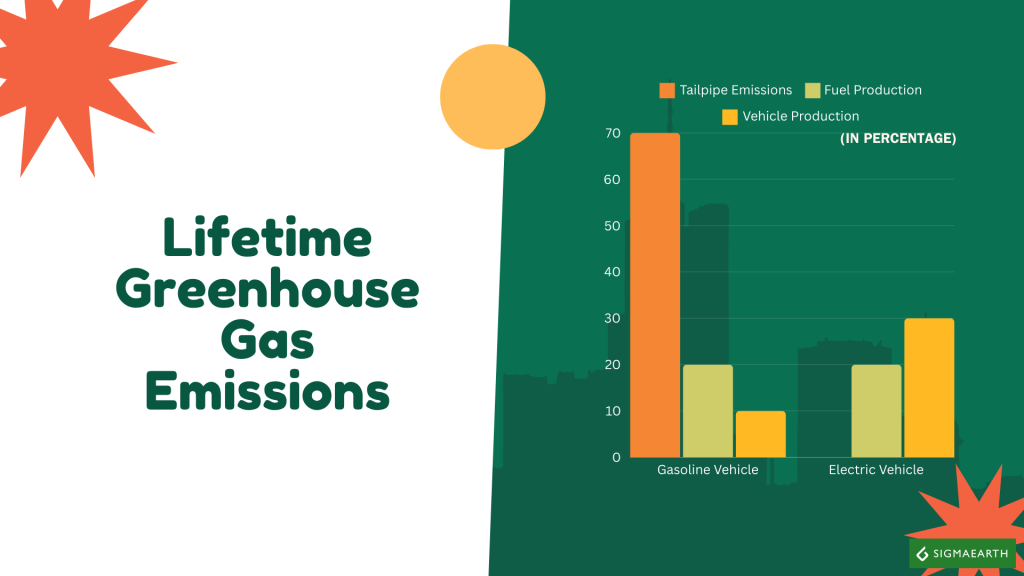
EVs usher in sustainability through their energy efficiency; they can turn 77% of electricity produced at the grid into wheel power, compared to only 12%–30% of energy stored in gasoline.
b. Energy Source: Renewable vs. Non-Renewable
A study done by the Union of Concerned Scientists found EVs to be cleaner than the ICE vehicle, despite the fact that IEA is growing renewable share in areas that have a high dependency on coal.
2. Environmental Benefits
a. Reduction in Greenhouse Gas Emissions
The UCS claims EVs to have half the GHG compared to gasoline vehicles in the US—an advantage to urban setups.
b. Preservation of Natural Resources
Electric vehicles help preserve environmental problems related to oil production and refining through oil demand reduction, thereby decreasing the risks of spills and leaks.
3. Technological Advancements
a. Battery Technology
During 2010-2020, the costs of lithium-ion batteries decreased by an impressive 89%, making EVs more affordable for the mass market and thereby contributing to their general availability.
b. Charging Infrastructure
The pace at which new charging sites are coming online worldwide (more than 100,000 public ports in the United States alone) is approaching a scale that was unimaginable just a decade ago.
4. Economic Implications
a. Lower Cost of Ownership
DOE states that EV drivers – in total comprising full plug-in vehicles and plug-in hybrid electric vehicles – spent 60% less on fuel compared with gasoline vehicle drivers – and further declared that the “total cost of ownership for most EV owners is less than that of a traditional gas vehicle.”
b. Job Creation and Economic Growth
Transitioning to electric vehicles boosts economic growth and the creation of jobs in the renewable energy sector, especially in the automotive sector; according to IRENA, this sector will employ more than 40 million people by 2050.
The sustainability of energy consumption has societal ramifications regarding public health, economic stability, social equity, change in lifestyle, and preservation of the environment based on the data analysis above.
Also Read: Best Electric Bike Kit With Battery In US
What are the Societal Changes in the Sustainability of Energy Consumption?
Impacts of Sustainability of Energy consumption on society range from public health to economic stability, social equity, lifestyle changes, and preservation of the environment.

1. Public Health
a. Reduction in Air Pollution
This is realized through the increased adoption of renewable energies and energy-efficient technologies, which primarily reduce air pollution. As a result, there is reduced respiratory and cardiovascular disease burden.
Table 1: Health Benefits from Reduced Air Pollution
| Metric | Fossil Fuel-Based Energy | Renewable Energy |
|---|---|---|
| Annual Premature Deaths (U.S.) | 200,000 | 50,000 |
| Respiratory Illness Cases (U.S.) | 12 million | 3 million |
| Annual Healthcare Costs (U.S.) | $300 billion | $75 billion |
2. Economic Stability
a. Job Creation
The new job opportunities that employ wind, solar, geothermal, and such kinds of sustainable energies can more than compensate for the work opportunities that will be lost in the traditional fossil fuel industries.
Table 2: Employment in Energy Sectors (Global, 2020)
| Sector | Jobs Created | Jobs Lost | Net Job Change |
|---|---|---|---|
| Renewable Energy | 11 million | – | +11 million |
| Fossil Fuel Industries | – | 3 million | -3 million |
| Energy Efficiency | 4 million | – | +4 million |
b. Energy Cost Savings
Renewable energy sources typically result in reduced long-term expenses for the public because working costs are minimized, and productivity is maximized.
Table 3: Average Energy Costs (U.S. Household)
| Energy Source | Initial Cost | Annual Cost | 10-Year Cost |
|---|---|---|---|
| Fossil Fuels | Low | $2,500 | $25,000 |
| Solar Energy | Moderate | $500 | $5,000 |
| Wind Energy | High | $300 | $3,000 |
3. Social Equity
a. Access to Energy
It can fill gaps in renewable energy undertakings in off-grid and underdeveloped areas, extend services for reliable power where there is none, and improve the quality of life for better economic opportunities.
Table 4: Energy Access (Global, 2020)
| Region | Access Rate (Fossil Fuels) | Access Rate (Renewables) |
|---|---|---|
| Sub-Saharan Africa | 45% | 60% |
| South Asia | 75% | 85% |
| Latin America | 90% | 95% |
b. Reducing Energy Poverty
Renewable energy solutions reduce energy poverty by ensuring that more impoverished energy users face a smaller share of their income on energy.
Table 5: Energy Expenditure as Percentage of Income
| Income Group | Fossil Fuels | Renewable Energy |
|---|---|---|
| Low-Income Households | 15% | 5% |
| Middle-Income Households | 10% | 3% |
| High-Income Households | 5% | 2% |
4. Lifestyle Changes
a. Adoption of Energy-Efficient Practices
Efficient energy use is a close partner of efficiency in lighting, appliances, equipment, and the housing sector as a whole by integrating it with a smart home concept.
Table 6: Household Energy Efficiency Adoption (U.S.)
| Technology | Adoption Rate (2010) | Adoption Rate (2020) |
|---|---|---|
| LED Lighting | 10% | 75% |
| Energy-Efficient Appliances | 20% | 60% |
| Smart Home Devices | 5% | 40% |
b. Increased Awareness and Education
Increased public awareness and education on environmental issues, resulting from the push for the Sustainability of Energy consumption, have contributed to more responsible and informed consumer behavior.
5. Environmental Preservation
a. Reduction in Greenhouse Gas Emissions
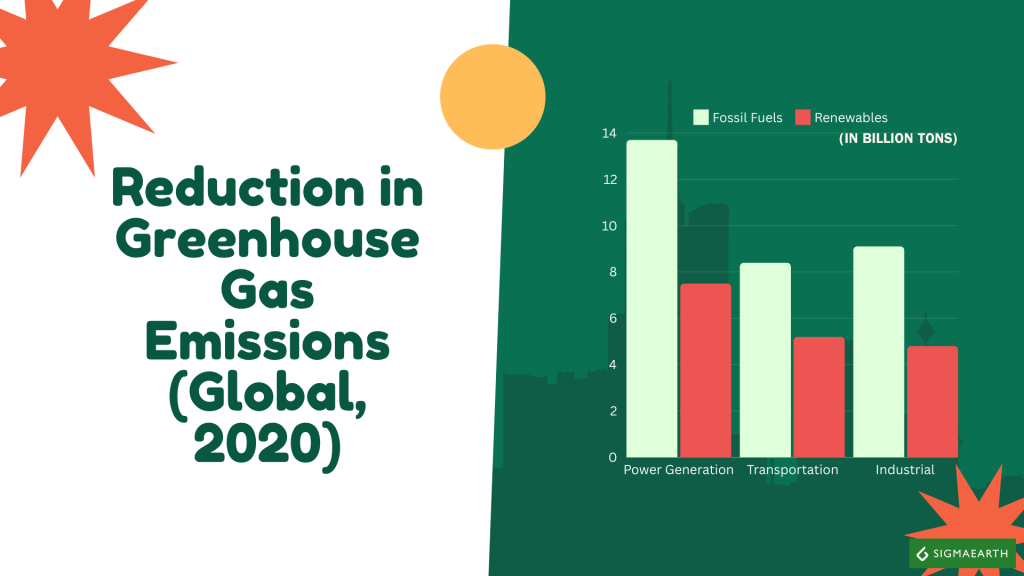
The switch to renewable energy sources and augmented energy efficiency reduces greenhouse gas emissions, which is the main prerequisite for fighting climate change.
Table 7: Greenhouse Gas Emissions Reduction (Global, 2020)
| Sector | Emissions (Fossil Fuels) | Emissions (Renewables) | Reduction |
|---|---|---|---|
| Power Generation | 13.7 billion tons | 7.5 billion tons | 45% |
| Transportation | 8.4 billion tons | 5.2 billion tons | 38% |
| Industrial | 9.1 billion tons | 4.8 billion tons | 47% |
b. Biodiversity Conservation
The sustainability of Energy practices decreases the pollution and wildlife habitat destruction associated with them, ultimately creating a better environment for animals to thrive in.
The benefit of Sustainability of Energy consumption to societies involves many realms, from public health to economic stability, social equity, and environmental preservation: a path to a healthier and more equitable future crisscrossed as sustainable adoption rates rise toward the sky.
Closing Thoughts
The rise of electric vehicles (EVs) is a major step towards sustainable energy use. EVs are more energy-efficient and produce fewer greenhouse gases compared to traditional gasoline vehicles. They also help reduce the environmental impact of oil production and refining.
Advances in battery technology and charging infrastructure have made EVs more affordable and practical. Economically, EVs cost less to operate and create new jobs in the renewable energy sector.
The switch to EVs benefits society by improving public health through reduced air pollution, creating job opportunities, and increasing access to energy. It also helps in preserving the environment and fighting climate change.
Overall, EVs are crucial for a cleaner, healthier, and more sustainable future. Continued investment and support for EV technology and renewable energy will help achieve these goals.
Also Read: Best Electric Bike Charger Models Of 2024

0 Comments