
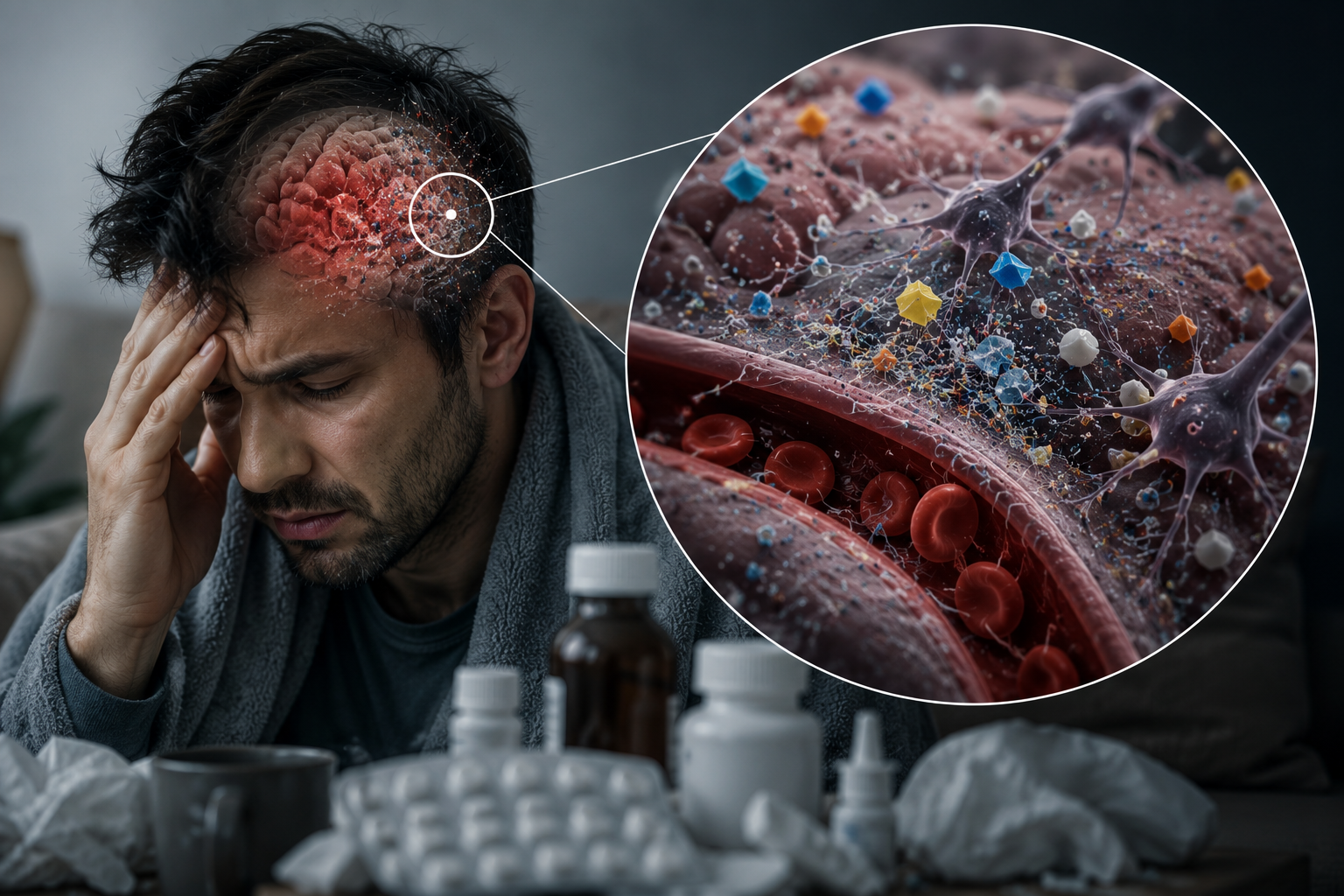
Plastic pollution is no longer just an environmental issue; it is increasingly becoming a human health concern. Tiny plastic particles known as microplastics, measuring less than 5 millimetres, have now been detected in nearly every part of the environment, from the deepest ocean trenches to Arctic snow. More concerning is that scientists have also found them in human blood, lungs, liver, kidneys, placenta, breast milk, reproductive organs and even brain tissue. Although research is still evolving, evidence linking diseases caused by microplastics to inflammation, cardiovascular disease, hormone disruption, fertility problems and neurological disorders is growing rapidly.
According to the UNEP, the world produces more than 430 million tonnes of plastic every year, with over two-thirds designed for short-term use before becoming waste. As these plastics degrade, they release billions of microscopic particles that enter food chains, drinking water and the air we breathe. While scientists caution that many findings are still being investigated, there is increasing agreement that reducing plastic pollution is no longer only about protecting nature; it is also about safeguarding human health.
What Are Microplastics and Why Are They Everywhere?
Microplastics are tiny fragments created either intentionally for industrial and cosmetic products or through the gradual breakdown of larger plastic items such as bottles, packaging, tyres, fishing nets and synthetic clothing. Because plastic does not fully decompose, it continuously fragments into smaller particles that persist in the environment for decades.
Humans are exposed to these particles every day. They have been detected in bottled and tap water, seafood, table salt, fruits, vegetables, processed foods and household dust. Even the simple act of washing synthetic clothes releases thousands of microscopic fibres that eventually reach rivers and oceans. Scientists estimate that an average person may ingest or inhale tens of thousands of microplastic particles every year, though actual exposure varies depending on diet, occupation and lifestyle.
Also Read: Microplastics Found To Penetrate The Human Brain, Speeding Up Alzheimer And Parkinsons
How Microplastics Affect the Human Body
Unlike many pollutants that pass through the digestive system, some microplastics appear capable of crossing biological barriers and accumulating inside organs. Researchers believe these particles may trigger inflammation, oxidative stress and immune responses while also transporting toxic chemicals and harmful microorganisms into the body.
Although scientists are still determining exactly how these processes contribute to disease, laboratory studies and emerging clinical evidence have raised concerns across several major areas of health.
Also Read: Climate Change Is Rapidly Accelerating The Spread Of Dangerous Microplastics
Cardiovascular Disease Is Emerging as a Major Concern
- One of the strongest pieces of evidence linking plastics to human health came from a 2024 study published in the New England Journal of Medicine.
- Researchers discovered microplastics embedded within plaque removed from patients’ carotid arteries.
- Individuals with detectable plastic particles were significantly more likely to experience heart attacks, strokes, or death during the following three years than those without them.
While the study does not prove that plastics directly caused these events, it suggests that chronic inflammation triggered by microplastics may contribute to the progression of cardiovascular disease. This finding has prompted scientists worldwide to investigate the long-term role of plastic particles in heart health.
Also Read: Microplastics In Human Tissues: What Science Tells Us About Health Risks
Hormones and Fertility Could Also Be Affected
Many plastic products contain chemicals such as Bisphenol A (BPA) and phthalates, both of which are recognised endocrine disruptors.
- These substances can interfere with the body’s hormonal system by mimicking or blocking natural hormones that regulate growth, metabolism and reproduction.
- Scientists have now identified microplastics in the human placenta, testes, semen and ovarian tissue, raising concerns about reproductive health.
- Experimental studies suggest prolonged exposure could affect sperm quality, fertility, foetal development and pregnancy outcomes.
Although researchers continue to investigate these associations, reproductive health has become one of the most closely monitored aspects of diseases caused by microplastics.
Also Read: Pollution And Microplastics Linked To Rising PCOS Cases In India
Breathing Plastic Is Becoming an Everyday Reality
Microplastics are not only consumed through food; they are also inhaled. Indoors often contain higher concentrations of airborne plastic fibres than outdoor spaces because carpets, upholstery and synthetic textiles continuously shed microscopic particles.
Workers in industries involving plastics and textiles have long experienced respiratory problems linked to fibre exposure. Today, scientists are examining whether long-term inhalation by the general population could contribute to asthma, chronic lung inflammation, reduced lung function and pulmonary fibrosis. As urban populations spend more time indoors, airborne microplastics have become an important area of public health research.
Also Read: Study Detects Microplastic Contamination In Dairy Products, Raising Health Concerns
Can Microplastics Affect the Brain?
Perhaps one of the most surprising discoveries in recent years has been the detection of microplastics in human brain tissue.
- Although researchers are still determining how these particles reach the brain and what their long-term effects may be, the finding has intensified investigations into possible links with neuroinflammation, memory decline and neurodegenerative diseases.
- Scientists emphasise that no direct causal relationship has yet been established.
- However, the discovery demonstrates how deeply plastic pollution has penetrated the human body and why continued research into diseases caused by microplastics is urgently needed.

Also Read: Atmospheric Microplastics Emerge As A Hidden Threat In Air Pollution
Could They Increase Cancer Risk?
Microplastics themselves are not officially classified as carcinogens. However, they can act as carriers for heavy metals, persistent organic pollutants and other toxic chemicals that attach to their surfaces. Researchers believe prolonged exposure may increase oxidative stress and DNA damage, two biological processes associated with cancer development.
While current evidence remains inconclusive, international health agencies continue to monitor the potential relationship between long-term plastic exposure and various forms of cancer.
Also Read: Airborne Microplastics: Tracing Their Origins And Destinations
Reducing Exposure Starts with Small Changes
Completely avoiding microplastics is almost impossible because they are now widespread across the environment. However, experts recommend practical measures such as reducing single-use plastics, avoiding heating food in plastic containers, choosing reusable glass or stainless-steel bottles, using natural-fibre clothing where possible, improving indoor ventilation and cleaning household dust regularly. Supporting policies that reduce plastic production and improve recycling systems can also contribute to lowering overall exposure.
Latest Facts and Statistics
Fact |
Verified Data |
|---|---|
Global plastic production |
More than 430 million tonnes every year (UNEP) |
Size of microplastics |
Less than 5 millimetres |
Human organs where microplastics have been detected |
Blood, lungs, placenta, liver, kidneys, testes, breast milk and brain |
Plastic designed for short-term use |
More than two-thirds of annual production |
Major exposure pathways |
Food, drinking water, seafood, air and household dust |
Landmark health study |
2024 New England Journal of Medicine linked arterial microplastics with increased cardiovascular events |
Also Read: Study Reveals Microplastic Contamination In 99% Of Seafood Samples
Looking Ahead
The science surrounding diseases caused by microplastics is advancing rapidly. Just a decade ago, researchers were primarily studying plastic pollution in oceans. Today, investigations focus on how these particles move through the human body, interact with organs, and influence chronic disease. While many questions remain unanswered, one fact is becoming increasingly clear: plastic pollution is no longer confined to the environment; it has become a global public health challenge.
Continued scientific research, stronger environmental policies and reduced dependence on single-use plastics will be essential to limiting exposure and protecting future generations.
Also Read: The Health Impacts Of Fossil Fuel Pollution Can No Longer Be Ignored
Frequently Asked Questions
1. What are microplastics?
Microplastics are plastic particles smaller than 5 millimetres that originate from manufactured products or the breakdown of larger plastic waste.
2. Have microplastics been found in the human body?
Yes. Scientists have detected them in blood, lungs, liver, kidneys, placenta, breast milk, reproductive organs and brain tissue.
3. What diseases are linked to microplastics?
Research suggests possible links with cardiovascular disease, hormone disruption, fertility issues, respiratory illnesses, neurological disorders and certain cancers, although many relationships are still being investigated.
Also Read: Forever Chemicals Under The Lens: PFAS Health Risks And How To Address Them

0 Comments