
Cats are natural explorers and have an innate tendency to chew on or play with household items, including plants. Their curiosity often leads them to interact with foliage out of boredom, a desire for dietary enrichment, or instinctual behavior like grazing. Cats perceive dangling leaves or hanging vines as toys, making plants irresistible targets. While indoor plants enhance air quality and add aesthetic value, many popular varieties harm cats. Ingesting toxic plants not ok for cats can result in mild symptoms like drooling and nausea or severe conditions such as organ failure and death.
The American Society for the Prevention of Cruelty to Animals (ASPCA) classifies over 1,000 plant species as harmful to pets. Certain plants for cats can, however, make a great alternative. They can create an environment where indoor plants for cats and pets can coexist harmoniously without compromising the health and safety of either.
Signs of Plant Toxicity in Cats: What to Watch For?
Cats that ingest toxic plants often exhibit mild to moderate symptoms, which are early warning signs of a potential problem. These symptoms may initially appear subtle but can escalate if not addressed promptly.
- Drooling from excessive saliva production is a common response to oral irritation caused by toxic plant compounds. Example: Chewing on plants like Dieffenbachia can cause irritation and drooling within minutes.
- Vomiting is a natural reflex to expel ingested toxins. The vomit may contain plant fragments, which can help identify the source of the poisoning.
- Cats may become lethargic, show unusual inactivity, or show signs of fatigue as their bodies try to cope with toxins.
- Loss of appetite from toxins can cause nausea, leading to a noticeable decline in eating habits. Refusal to eat for more than 24 hours is a glaring sign of poisoning.
- Diarrhea caused by the ingestion of certain plants can irritate the digestive tract, leading to loose stools. If you suspect plant toxicity, look for discolored or unusually smelly feces.
Also Read: 7 Rare Plants From The Tundra Biome
The Ultimate List of Plants Ok for Cats
Here’s a detailed guide to indoor plants that are aesthetically pleasing and 100% safe for your feline companions.
1. Areca Palm (Dypsis lutescens)

This plant acts as a natural air purifier, removing toxins from the air. It is completely non-toxic to cats and easy to care for. It thrives in bright, indirect sunlight. Water the plant only once the topsoil dries out, and avoid overwatering. It is ranked as one of NASA’s top air-purifying plants for indoor spaces.
2. Parlor Palm (Chamaedorea elegans)

The Parlor plant is an elegant plant that improves air quality. It thrives in indirect sunlight and is perfect for low-light spaces. This plant has zero toxicity concerns, making it a great option for cat households. Water every 1–2 weeks and mist occasionally to maintain humidity.
3. Spider Plant (Chlorophytum comosum)

The spider plant survives low light and is incredibly easy to propagate. It acts as a natural air cleanser by removing carbon monoxide and formaldehyde. Cats love its dangling leaves, but it’s completely safe! Studies show it absorbs up to 90% of airborne toxins.
4.Boston Fern (Nephrolepis exaltata)

The Boston Fern is a classic beauty that adds vibrant greenery to your home. It also works as a natural humidifier, improving air moisture levels as it prefers high humidity—mist it regularly or place it near a humidifier. It is ideal for hanging baskets or shelves where cats can’t knock it over.
Also Read: 5 Best Plants That Keep Mosquitoes Away
5. Calathea (Prayer Plant)

Calathea’s intricate leaf patterns and vibrant colors add an exotic vibe to your home. Its leaves fold up at night like prayer hands, giving it a dynamic quality and its unique nickname. They prefer indirect light and high humidity. Keep soil slightly moist.
6.Bamboo Palm (Chamaedorea seifrizii)

Bamboo palm is a tropical plant that adds height and texture to indoor spaces. It is completely non-toxic for cats, ensuring no risk to their health. It thrives in bright, indirect light. Water when the top inch of soil is dry. This plant is known to remove benzene and formaldehyde from indoor air.
7. Cat Grass (Wheatgrass, Barley, Oats)
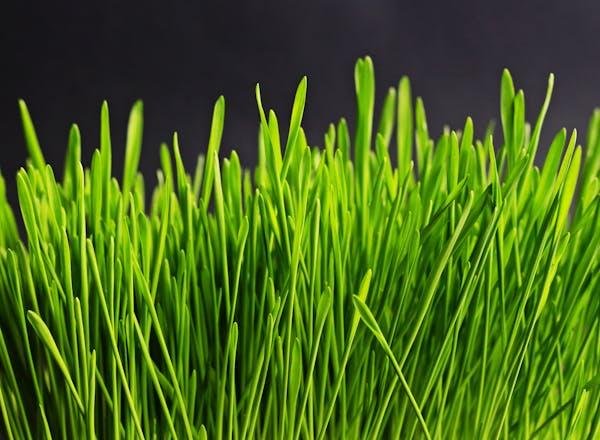
These plants provide a healthy snack that aids digestion and reduces hairballs. They also satisfy a cat’s natural urge to graze, keeping them away from other plants.
Nearly 80% of cats naturally enjoy grazing on cat grass, making it a must-have addition to any pet-friendly home. Growing them in small pots with indirect sunlight and trimming regularly for regrowth is all the care they need.
8. Lemongrass (Cymbopogon)

Its aromatic and mosquito-repelling properties make it a dual-purpose plant. When consumed in small amounts, it is safe for cats. It needs bright sunlight and well-drained soil. Avoid overwatering. It also doubles as a flavor enhancer for your cooking!
Also Read: Common Plants Toxic To Cats Every Pet Owner Should Know
Care Tips for Cat-Friendly Plants
Ensure plants receive the appropriate amount of indirect sunlight to thrive while keeping them out of high-traffic areas where cats play or knock them over.
Tip: Use hanging planters or shelves to protect plants while maintaining aesthetic appeal.
Safe methods to minimize pests: Use pet-friendly solutions like neem oil or insecticidal soaps to ward off pests without endangering your feline friends.
Alternatively, a mixture of water and a few drops of dish soap can effectively repel pests without toxins.
Use organic options with gentle fertilizers like compost tea or other organic matter that is completely safe for cats.
Pro Tip: Avoid chemical-based fertilizers that could leach harmful substances into the soil.
High humidity needs are consistent with the thriving of many plants ok for cats, such as Boston Ferns and Calatheas, in humid environments.
Care Tip: To increase humidity, mist plants 2–3 times a week or place a small water tray nearby. Use a pebble tray with water under your plant pots for a DIY solution to retain sustained moisture.
To build a cat-safe green oasis, a harmonious home is one where your feline friends and lush greenery can coexist, creating a space that nurtures life and happiness. Always research the safety of plants before bringing them home, ensuring they are 100% non-toxic and suitable for your pets. Regularly monitor your plants and pets for any unusual behavior.
Also Read: How To Help Your Houseplants This Winter: An Easy Guide

0 Comments