
The Florida grasshopper sparrow, an endangered bird species, has shown signs of resurgence, bringing hope to conservationists and scientists. This small, ground-dwelling bird, found only in the dry prairies of central Florida, was on the brink of extinction. Recent efforts to boost its population have started to pay off, marking a significant victory for wildlife preservation.
Efforts to Save the Florida Grasshopper Sparrow
Efforts to save the Florida grasshopper sparrow have been extensive and multifaceted. For years, scientists and conservationists have implemented various strategies to boost the bird’s population. These strategies included habitat restoration, captive breeding, and reintroduction programs, as the sparrow’s decline was primarily due to habitat loss from agriculture and development, predation, and disease. Addressing these challenges requires a coordinated approach involving both governmental and non-governmental organizations.
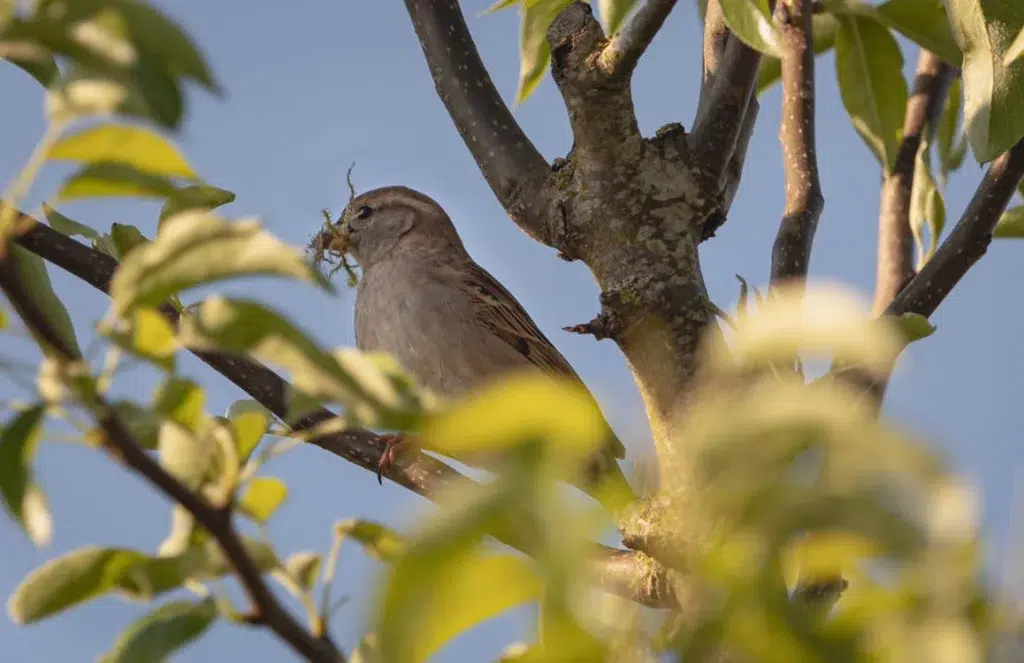
One of the key strategies has been the captive breeding program. By breeding the birds in controlled environments and then releasing them into their natural habitat, scientists hoped to increase the population. This method has seen mixed success, with some birds adapting well and others struggling to survive. Habitat restoration has also played a crucial role, with efforts to restore and manage the dry prairie ecosystems that the sparrows depend on.
Also Read: Wildlife Conservation In Florida: Efforts To Save The Sunshine State’s Diverse Species
Signs of Success
Recent reports indicate a positive trend in the Florida grasshopper sparrow population. Field surveys have shown an increase in the number of wild sparrows, suggesting that the combined conservation efforts are starting to yield results. This increase is particularly encouraging given the bird’s critically low numbers just a few years ago. The successful fledging of young birds in the wild is a significant milestone, indicating that the species may be moving towards a more stable population.
Scientists have noted that the collaborative approach to conservation has been vital to this success. By pooling resources and expertise, various organizations have been able to implement more effective conservation strategies. The use of technology, such as GPS tracking and monitoring, has also improved the ability to track the birds and understand their behavior and needs better.
Also Read: Wildlife Habitat Certification: Ensuring Sustainable Habitats For Future Generations
The Road Ahead
While the resurgence of the Florida grasshopper sparrow is promising, conservationists caution that continued efforts are necessary to ensure the species’ long-term survival. Ongoing habitat management and protection are crucial to maintain the bird’s environment. Additionally, the captive breeding and reintroduction programs must be sustained and adapted based on the birds’ responses and changing environmental conditions.
Looking ahead, scientists are also focusing on increasing public awareness and support for conservation efforts. Education and community involvement are essential to ensure that the habitats remain protected and that the public understands the importance of preserving this unique species. The Florida grasshopper sparrow’s recovery story can serve as an inspiration and a model for other conservation projects.
Overall, the Florida grasshopper sparrow resurged, which is a testament to the dedication and hard work of conservationists and scientists. While challenges remain, the progress made so far provides hope for the future of this endangered species. Continued efforts and public support will be vital in securing a stable future for the Florida grasshopper sparrow and ensuring that it remains a part of Florida’s natural heritage.
Also Read: The Plight Of Endangered Species In The Amazon Rainforest: Challenges And Solutions

0 Comments