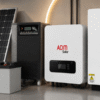
सौर पैनल और स्थापना


SunRun

डीएफडब्ल्यू सोलर सर्विसेज

नियत ऊर्जा

प्रोमेथियस पावर सॉल्यूशंस

इम्पैक्ट सोलर

वेलोसिटी एनर्जी एंड होम सॉल्यूशंस

प्योर होम रिन्यूएबल्स

टेरासोल एनर्जीज़

आर्सेनल सोलर

पेनस्टार सोलर

सनशाइन रिन्यूएबल सॉल्यूशंस

केडब्ल्यू सोलर
About Solar Panels & Installation
Solar panel installers design, permit and install rooftop or ground-mounted solar systems and connect them to the grid. Check that the company has NABCEP-certified staff and a state contractor or electrical license, and compare the workmanship warranty, which comes from the installer, separately from the panel warranty. Get more than one written quote and ask who handles monitoring and repairs later. Listings here are local and regional installers; filter by city to find one near you.
Solar installers by city
Solar Panels & Installation: costs, incentives and how to choose (2026)
Rooftop solar prices in the US fell again in 2025, but the 30% federal tax credit for homeowners who buy a system ended on 31 December 2025. In 2026 the value of solar depends more on your electricity price, your utility's rules for exported power and any state programme.
इसकी क्या कीमत है
Lawrence Berkeley National Laboratory's 2026 data update (systems installed in 2025, prices before incentives) found a median home system of 7.7 kW, with most between 5 and 12 kW.
| How the system is bought | Median price per watt | For a 7.7 kW system |
|---|---|---|
| नकद खरीद | $3.00 | लगभग $ 23,000 |
| All owner-purchased systems | $3.60 | लगभग $ 27,700 |
| Loan-financed (may include loan fees; excludes interest) | $4.50 | लगभग $ 34,700 |
Prices vary widely: median prices among the 100 largest installers ranged from about $2.40 to $6.30 per watt, and about 10% of them had medians above $5 per watt. Labour, permitting, sales costs and profit make up roughly 80% of the price, so quotes for the same equipment can differ a lot.
Incentives and rebates in 2026
- Federal credit for buyers (25D): ended. The IRS states it is not available for property placed in service after 31 December 2025.
- Leases and power purchase agreements: the company that owns the system can still claim a commercial credit if the project began construction by 4 July 2026 or is placed in service by 31 December 2027. You do not claim it yourself, but it can lower the price you are offered. EnergySage reported the share of installers quoting leases and PPAs rose from about 14% to about 41% during the first half of 2026.
- State and utility programmes: net metering or export credits, state rebates and renewable energy certificates still exist in some places. Search your ZIP code in the DSIRE database.
Savings and payback
Savings scale with what you pay for electricity. The US average residential price was 18.16 cents per kWh in August 2026, ranging from 12.72 cents in Nevada to 47.18 cents in Hawaii (EIA). Wood Mackenzie estimated that losing the federal credit adds roughly two years to the average payback, from about seven years to about nine. Payback is shorter in high-price states and longer where exported power earns little. The FTC notes systems are designed to last at least 20 years.
प्रदाता का चयन कैसे करें
- Get several written bids showing system size, expected annual output, total price including permits, any production guarantee, and equipment and workmanship warranties.
- Check the company's state contractor licence and complaint history. NABCEP board certification is the main national credential for solar professionals.
- Compare the price per watt with the ranges above. A quote well above $5 per watt deserves a clear explanation.
- For a lease or PPA, read the payment escalator, the early-termination cost, who pays for roof repairs and whether the contract transfers when you sell.
- Red flags: pressure to sign the same day, no time to read the contract, requests for cash, or a promise that a 2026 purchase earns the federal tax credit.
सूत्रों का कहना है
- Lawrence Berkeley National Laboratory - U.S. Distributed Solar and Storage Data: 2026 Update (accessed Nov 2026)
- Mercom - US Residential Solar-Storage Adoption Jumps to 37% in 2025 (summary of the LBNL figures) (accessed Nov 2026)
- IRS - Residential Clean Energy Credit (accessed Nov 2026)
- SEIA - The Clean Energy Provisions in the One Big Beautiful Bill (accessed Nov 2026)
- EnergySage - Home energy market H1 2026 highlights (accessed Nov 2026)
- EnergySage - Solar still pays for itself, even without the tax credit (Wood Mackenzie estimate) (accessed Nov 2026)
- EIA - Electric Power Monthly, Table 5.6.A average retail price by state (accessed Nov 2026)
- FTC - Solar Power for Your Home (accessed Nov 2026)
- NC Clean Energy Technology Center - DSIRE incentives database (accessed Nov 2026)
- NABCEP - Certifications (accessed Nov 2026)
ज़्यादातर पूछे जाने वाले सवाल
Is there still a federal tax credit for home solar in 2026?
Not for homeowners who buy a system. The Residential Clean Energy Credit (25D) is not available for systems placed in service after 31 December 2025. With a lease or power purchase agreement, the company that owns the system may still claim a commercial credit through 2027 and reflect it in your price.
How much does a home solar system cost in 2026?
Berkeley Lab's latest data puts the median owner-purchased home system at 7.7 kW and $3.60 per watt before incentives, about $27,700, or about $23,000 for a cash purchase at $3.00 per watt. Prices vary widely by installer and state, so compare several written quotes.
How long does home solar take to pay for itself now?
It depends mainly on your electricity price and how your utility credits exported power. Wood Mackenzie estimated that losing the federal credit lengthens the average payback by about two years, to roughly nine years, with shorter paybacks in high-price states.
Guide by the Sigma Earth Directory team, checked November 2026. Prices and incentives change; confirm with providers and your utility.