
Rising global temperatures and more frequent heatwaves are making home cooling a growing concern for households worldwide. According to the International Energy Agency (IEA), cooling systems such as air conditioners and fans already account for nearly 20% of total electricity used in buildings globally. As temperatures continue to rise, energy demand for cooling is expected to more than triple by 2050. While air conditioners provide immediate comfort, they can significantly increase electricity bills and contribute to greenhouse gas emissions. Fortunately, there are several smart ways to cool your house that are natural, energy-efficient, and sustainable.
These methods not only help maintain a comfortable indoor temperature but also reduce energy consumption and environmental impact.
Why Natural Cooling Is Becoming More Important
Cooling a home sustainably offers several benefits beyond lower electricity costs. Natural cooling strategies improve indoor comfort, reduce strain on power grids during peak summer months, and help households reduce their carbon footprint.
Benefit |
Impact |
|---|---|
Lower Energy Bills |
Reduced dependence on air conditioning |
Reduced Carbon Emissions |
Less electricity consumption |
Better Indoor Air Quality |
Improved airflow and ventilation |
Increased Comfort |
More stable indoor temperatures |
Sustainable Living |
Environmentally friendly cooling solutions |
Here are eight practical and effective smart ways to cool your house naturally.
Also Read: Comparison of Air Purifier Technologies: HEPA vs. Activated Carbon vs. UV
1. Maximize Cross Ventilation
Cross ventilation is one of the oldest and most effective cooling techniques. By opening windows or vents on opposite sides of your home, fresh air can flow through the house and push warm air out.
This works best during early mornings and evenings when outdoor temperatures are lower. Studies show proper cross ventilation can improve indoor airflow by up to 30% and reduce the need for mechanical cooling.
For even better results, use interior doors strategically to create airflow pathways throughout the house.
Also Read: Comparing Air Purifier Technologies: Efficiency and Suitability
2. Use Ceiling Fans Wisely
Ceiling fans do not lower room temperatures, but they create a wind-chill effect that makes people feel significantly cooler. During summer, ensure ceiling fans rotate counterclockwise to push air downward.
A ceiling fan typically consumes between 15 and 90 watts of electricity, while a central air-conditioning unit may use more than 2,000 watts. Using fans alongside natural ventilation can substantially reduce cooling costs.
Also Read: Comparing Air Purifier Technologies: HEPA vs Activated Carbon vs UV vs Ionizer
3. Block Heat Before It Enters
Windows are one of the largest sources of indoor heat gain. Sunlight passing through glass can quickly increase indoor temperatures, especially during afternoon hours.
Consider using:
- Blackout curtains
- Thermal blinds
- Bamboo shades
- Reflective window films
- Exterior awnings
Reflective window coverings can reduce solar heat gain by up to 77%, according to energy-efficiency studies. Preventing heat from entering is often more effective than trying to cool a room afterward.
Also Read: Wet-Bulb Temperature Risk In India: Why Rising Heat Is Becoming A Serious Survival Threat
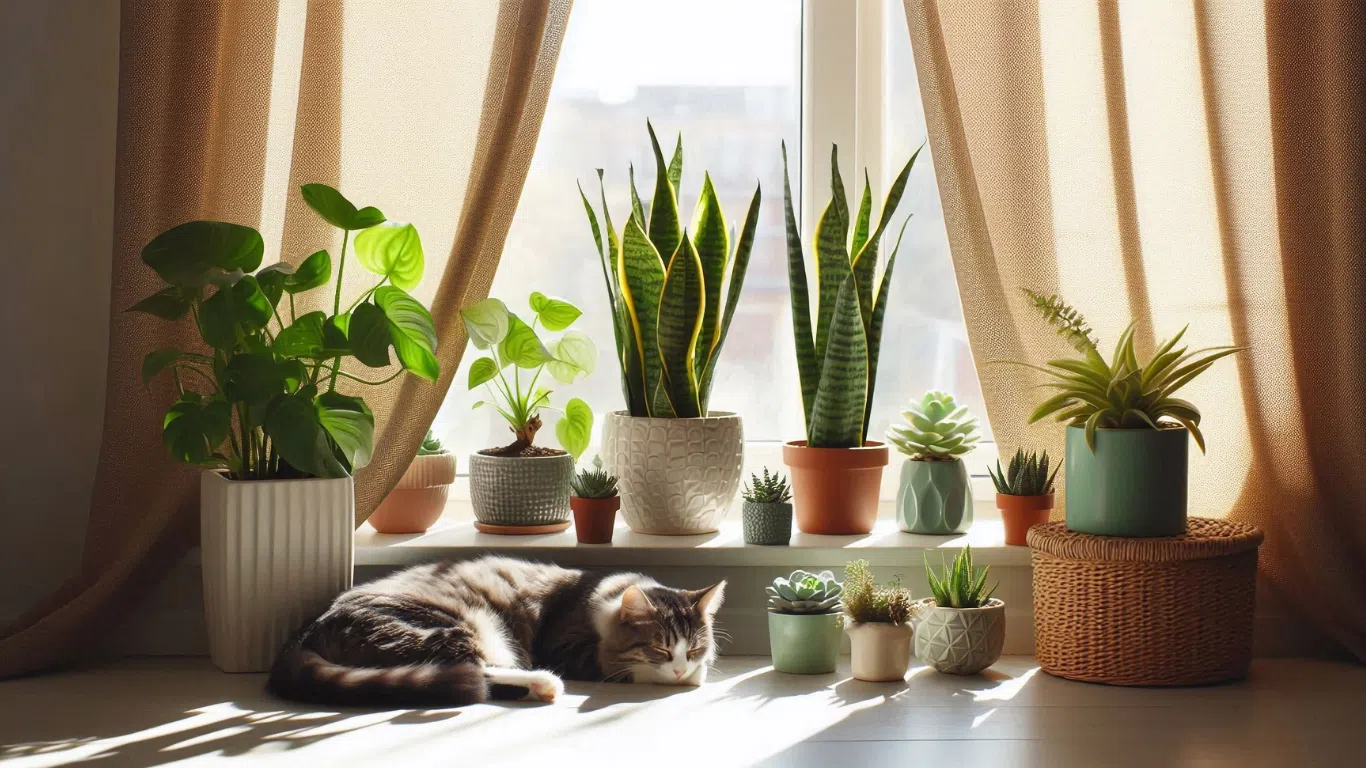
4. Bring Nature Indoors with Plants
Houseplants do more than beautify a space or purify the air. Through a process called transpiration, plants release moisture into the air, creating a natural cooling effect.
Some excellent options include:
- Areca Palm
- Snake Plant
- Peace Lily
- Aloe Vera
- Rubber Plant
Research suggests that densely planted indoor spaces can experience measurable reductions in ambient temperatures while improving humidity and air quality. Plants also help create a calmer and healthier living environment.
Also Read: Heat-Producing Plants: Scientists Uncover The Reason Behind The Mystery
5. Improve Roof and Wall Insulation
Many homes gain heat through poorly insulated roofs and walls. During summer, roofs can absorb large amounts of solar radiation and transfer that heat indoors. Adding insulation helps keep heat outside and maintains cooler indoor temperatures.
You can:
- Install attic insulation: Adding fiberglass, cellulose, or mineral wool insulation in the attic can significantly reduce heat entering through the roof.
- Apply reflective roof coatings: White or reflective roof paints can bounce sunlight away and keep roof surfaces cooler.
- Use insulated wall panels: Modern insulated panels help reduce heat transfer through exterior walls.
- Add false ceilings: Gypsum or POP false ceilings create an additional barrier between the roof and living space, reducing indoor heat gain.
- Install thermal insulation sheets under roofing: Reflective foil sheets or thermal boards beneath roof materials can block radiant heat.
Proper insulation can reduce heat transfer through roofs by as much as 70%, lowering cooling requirements significantly. Though it requires an initial investment, insulation often provides long-term energy savings.
Also Read: 2025 Marks Highest-Ever Human-Driven Global Warming, Scientists Warn
6. Reduce Heat from Appliances and Lighting
Many household devices generate heat without us realizing it. Ovens, dryers, computers, televisions, and incandescent bulbs all contribute to indoor warming.
To reduce unnecessary heat:
- Cook outdoors when possible
- Run appliances during cooler hours
- Switch to LED lighting
- Turn off electronics when not in use
LED bulbs use up to 75% less energy and generate significantly less heat than traditional incandescent bulbs. This is one of the easiest smart ways to cool your house while also reducing electricity consumption.
Also Read: Global Warming May Make Hailstones Bigger And More Dangerous, Scientists Warn
7. Create Natural Shade Around Your Home
Trees and landscaping provide one of the most effective forms of passive cooling. Strategically planting shade trees near windows, walls, and outdoor spaces can dramatically reduce heat exposure.
Other options include:
- Pergolas
- Green walls
- Climbing vines
- Shade sails
Well-placed shade trees can reduce surrounding air temperatures by 2°C to 5°C and lower household cooling costs by as much as 30%. Natural shading also improves outdoor comfort and enhances property value.
Also Read: Illegal Immigration And Urban Green Space Strain In India’s Smart Cities
8. Install a Whole-House Ventilation System
A whole-house ventilation system continuously removes hot indoor air and brings in cooler fresh air, improving airflow throughout the home. Modern systems can be combined with heat recovery or smart sensors to automatically adjust ventilation based on temperature and humidity levels. Energy-efficient ventilation systems can improve indoor comfort while reducing cooling loads by up to 20–30% in suitable climates.
Why it works: Instead of cooling the air, it prevents heat buildup inside the house, making rooms feel fresher and reducing dependence on air conditioners.

The Future of Sustainable Home Cooling
As summers become hotter and energy costs continue to rise, homeowners are increasingly seeking smart ways to cool their houses without relying solely on air conditioning. Combining multiple strategies such as ventilation, shading, insulation, and indoor greenery can significantly improve comfort while reducing environmental impact.
The best part is that many of these solutions are affordable, easy to implement, and effective immediately. By adopting these smart ways to cool your house, families can stay comfortable during summer while building a more sustainable and energy-efficient home.
Also Read: Comparing Home Energy Monitors: Features and Effectiveness
FAQs
1. What is the most energy-efficient way to cool a house naturally?
Cross ventilation combined with proper shading is among the most energy-efficient cooling methods because it requires little to no electricity while improving airflow and reducing indoor heat.
2. Do indoor plants really help cool a room?
Yes. Plants release moisture through transpiration, which can create a slight cooling effect and improve indoor humidity levels and air quality.
3. How much can shade trees reduce cooling costs?
Research suggests strategically planted shade trees can lower cooling expenses by up to 30% while reducing surrounding temperatures by several degrees.
Also Read: Floating Homes In The Netherlands Seen As A Climate-Smart Solution

0 Comments